
 en
en
 English
 中文简体
中文简体 русский
 Français
 Español
 عربى
عربى
Content
- 1 The Direct Answer: Street Light Poles Fall Into a Few Core Categories
- 2 Street Light Pole Types by Material
- 3 Street Light Pole Types by Height and Application
- 4 Street Light Pole Types by Arm and Mounting Style
- 5 Decorative and Specialty Street Light Poles
- 6 How to Choose the Right Street Light Pole for a Project
- 7 Frequently Asked Questions About Street Light Poles
The Direct Answer: Street Light Poles Fall Into a Few Core Categories
A street light pole is generally classified by three things, the material it is made from, the height it is manufactured at, and the way the fixture mounts onto it. Most municipal and commercial projects choose between steel, aluminum, and concrete poles, in heights ranging from about 10 feet for pathways up to 50 feet for highway interchanges, with single arm, double arm, or straight top mounting depending on the road layout.
Picking the wrong category is one of the more common planning mistakes in outdoor lighting projects, since a pole built for a quiet residential block will not hold up structurally or visually on a wide arterial road, and a heavy highway grade pole is often overkill and unnecessarily costly for a park pathway.
Street Light Pole Types by Material
Steel Poles
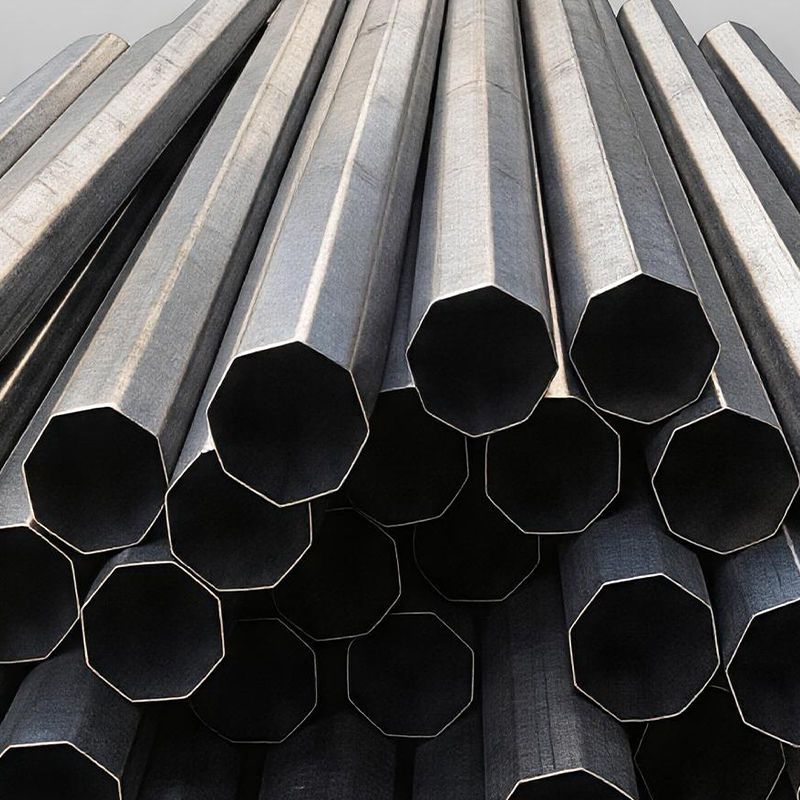
Steel is the most common material used for a street light pole on major roads because it offers high structural strength relative to its cost. Galvanized steel poles resist rust for decades when properly coated, which is why most highway and arterial road projects specify galvanized steel as the default choice.
Aluminum Poles
Aluminum poles are lighter than steel and naturally resistant to corrosion, which makes them popular in coastal towns where salt air speeds up rust on untreated steel. The lighter weight also lowers shipping and installation costs, though aluminum generally costs more per unit than steel of the same rating.
Concrete Poles
Concrete poles are valued for their long service life and minimal maintenance needs, often exceeding 50 years in the field according to utility infrastructure planning guidance. They are heavier and more expensive to transport, so they tend to appear on long term public works projects rather than smaller commercial installs.
Fiberglass Composite Poles
Fiberglass composite is a newer option gaining ground in areas prone to storms, since the material flexes under high wind loads instead of snapping, and it does not conduct electricity, which adds a layer of safety around damaged wiring after a storm.
Street Light Pole Types by Height and Application
Height is chosen based on the width of the road or space being lit and the spacing between poles. A taller street light pole can throw light across a wider area, allowing fewer poles per mile, while a shorter pole is better suited to close, pedestrian scale spaces.
| Pole Height | Typical Application | Common Spacing |
|---|---|---|
| 10 to 15 feet | Parks, pathways, plazas | 30 to 50 feet |
| 20 to 30 feet | Residential and local roads | 80 to 120 feet |
| 30 to 40 feet | Arterial roads and collector streets | 120 to 150 feet |
| 40 to 50 feet | Highways and interchanges | 150 to 200 feet |
Street Light Pole Types by Arm and Mounting Style
The arm configuration of a street light pole determines how many fixtures it can carry and where the light falls relative to the road.
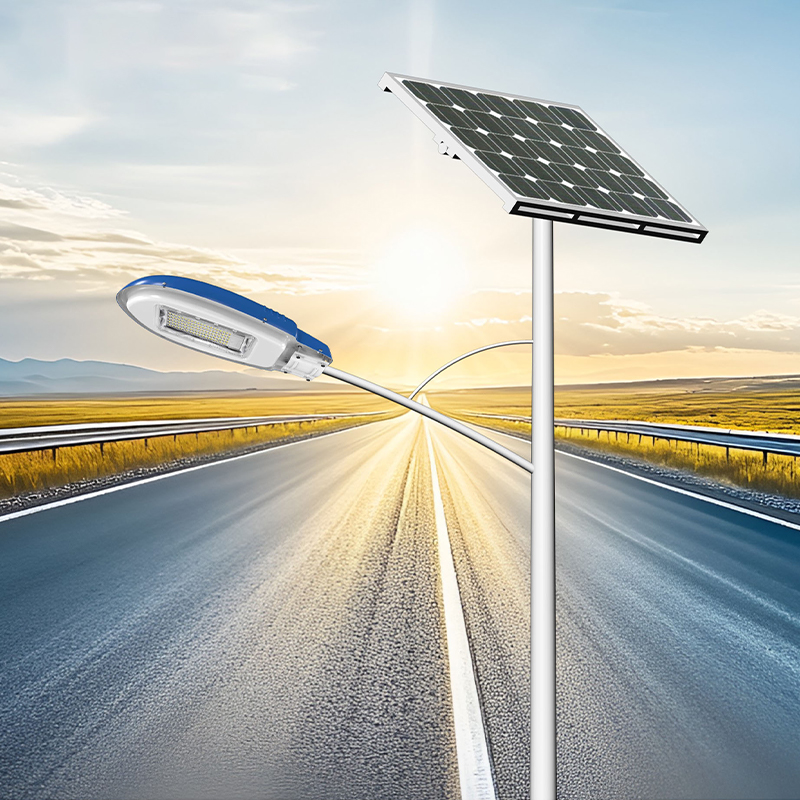
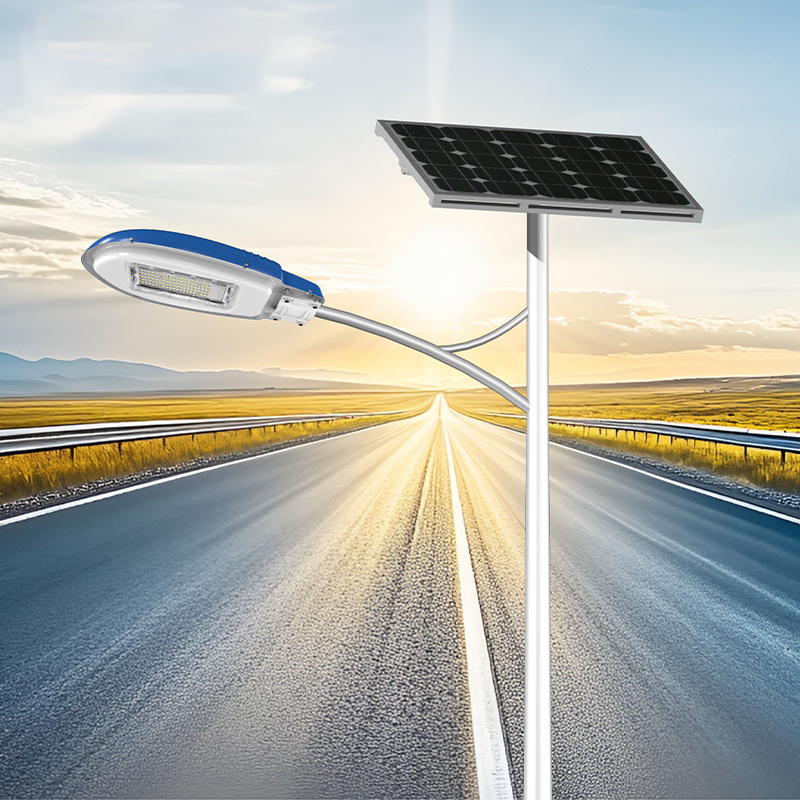
- Single arm poles, one fixture extending over one lane, most common on single carriageway streets
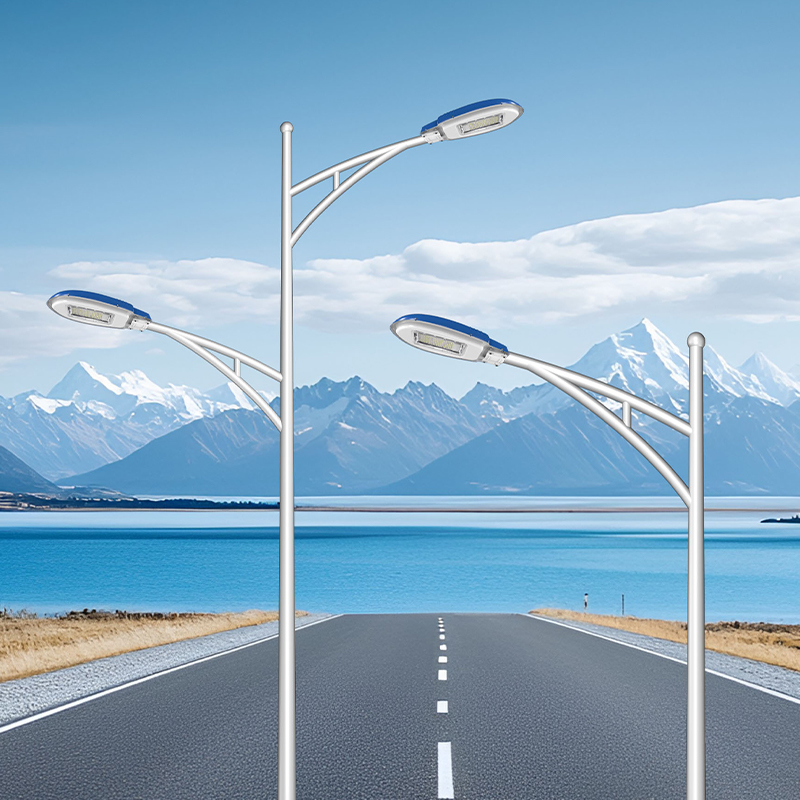
- Double arm poles, two fixtures facing opposite directions, often placed on median strips to light both sides of a divided road
- Straight top poles, fixture mounted directly on top with no extended arm, common in parks and pedestrian areas
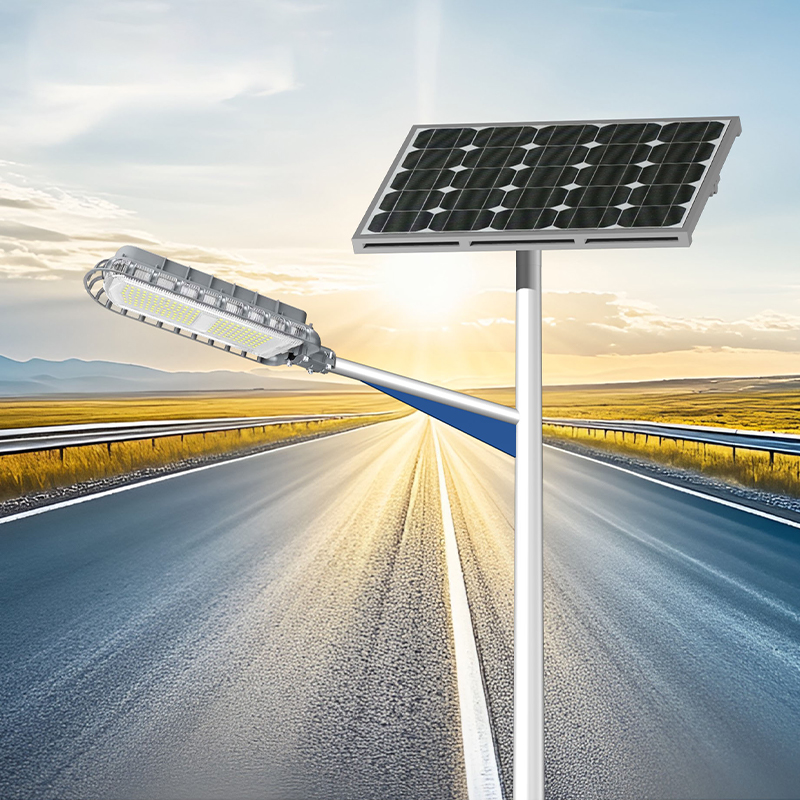
- Bracket mounted poles, fixture attached at an angle bracket near the top, used where a lighter visual footprint is preferred
Decorative and Specialty Street Light Poles
Not every street light pole is chosen for pure function. Historic districts, downtown corridors, and shopping streets often specify decorative poles with fluted shafts, ornamental bases, or antique style fixtures to match the surrounding architecture.
Fluted and Tapered Poles
These poles narrow gradually from base to top, giving a cleaner silhouette that many downtown redevelopment projects favor for their softer visual presence compared to a straight industrial shaft.
Twin and Triple Head Poles
Used in plazas and wide sidewalks, these poles carry two or three decorative lantern style fixtures on a single base, reducing the number of poles needed while still providing ornamental character.
Banner Ready Poles
Some poles are manufactured with built in arms or brackets for hanging seasonal banners and flags, a detail frequently requested by city centers and business improvement districts for events and holidays.
How to Choose the Right Street Light Pole for a Project
Selecting the correct street light pole comes down to matching structural needs with the site conditions rather than picking the tallest or strongest option by default.
- Confirm the road width and traffic classification to determine the minimum height needed
- Check local wind load and soil conditions, since coastal and storm prone areas often require reinforced bases
- Match the material to the environment, favoring aluminum or fiberglass near coastlines and steel or concrete inland
- Decide on single or double arm configuration based on whether the road is divided or single carriageway
- Factor in future maintenance access, since taller poles require larger bucket trucks and more setup time for servicing
Frequently Asked Questions About Street Light Poles
What is the most common material for a street light pole
Galvanized steel is the most widely used material on major roads because it balances strength and cost, though aluminum and concrete are common alternatives depending on the environment and budget.
How tall should a residential street light pole be
Most residential streets use poles in the 20 to 30 foot range, which provides even coverage without towering over single story homes and yards.
What is the difference between single arm and double arm poles
A single arm pole lights one lane or side of a road with one fixture, while a double arm pole holds two fixtures facing opposite directions, typically used on median strips of divided roads.
Are decorative poles less durable than standard poles
Not necessarily, decorative poles are usually built to the same structural standards as standard poles, with the ornamental shaping and base details added without compromising load capacity.
How long does a typical street light pole last
Steel and aluminum poles commonly last 25 to 40 years with proper coating maintenance, while concrete poles can exceed 50 years of service in the field.