
 en
en
 English
 中文简体
中文简体 русский
 Français
 Español
 عربى
عربى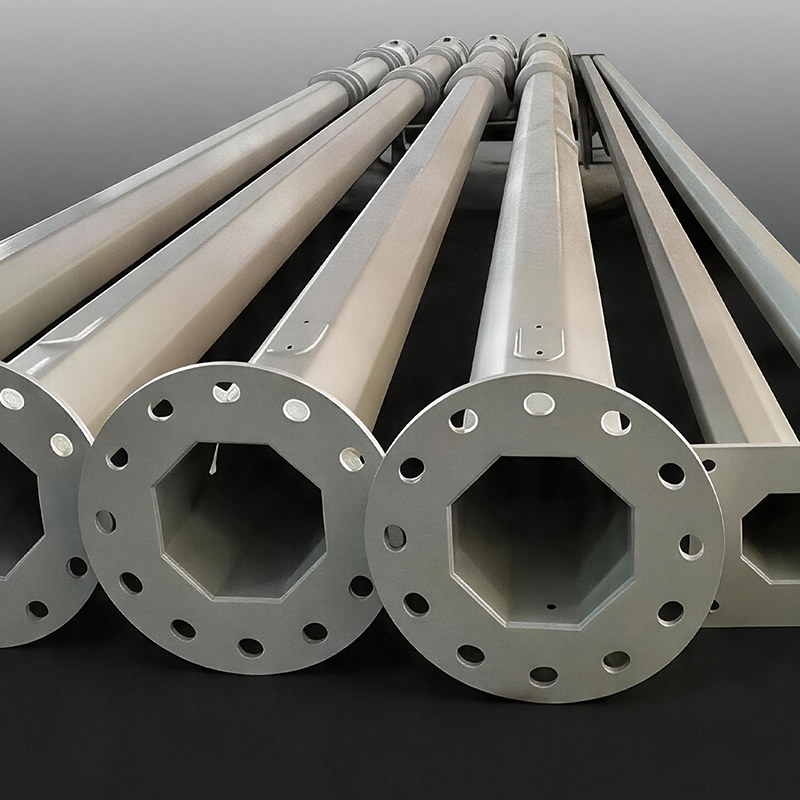
How Long Will a Solar Street Light Last? The Direct Answer A well-built solar street light typically delivers 8 to 10 years of reliable overall service, though individual components age at very different rates. The LED fixture itself is usually rated for 50,000 to 100,000 hours of operation, which ...
READ MORE
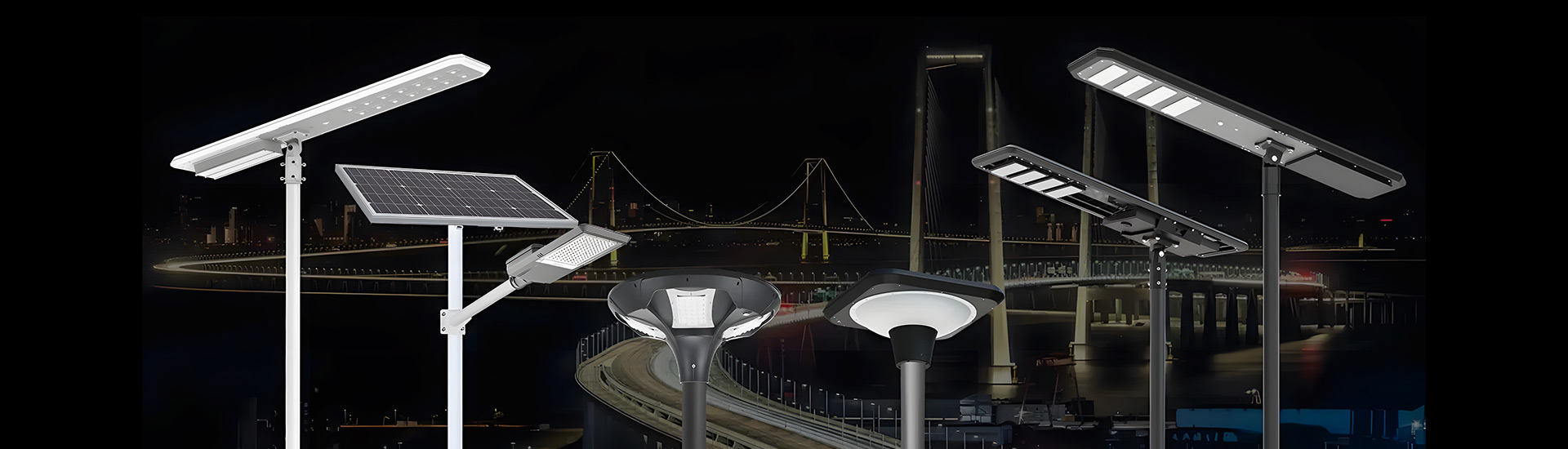
Street Light Pole Manufacturer
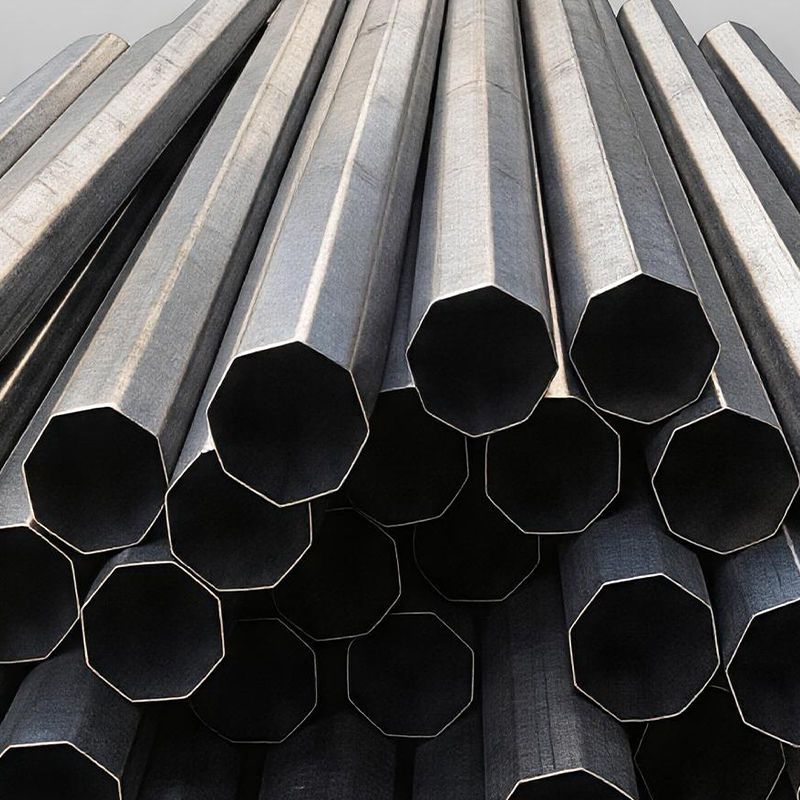
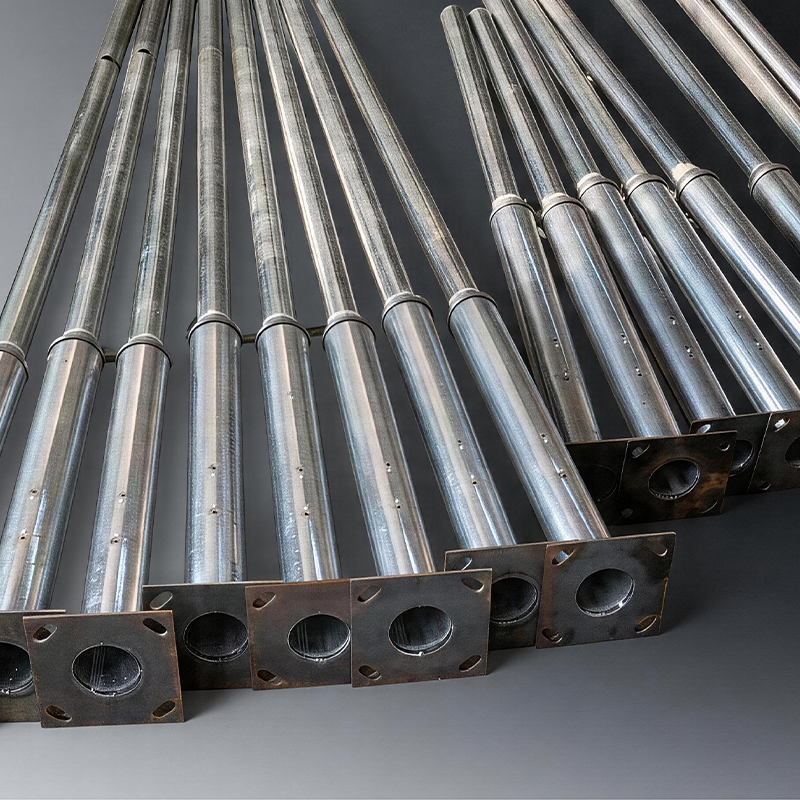
The light pole is a multi-pyramidal plug-in steel pole formed by pressing high-quality steel plates, treated with hot-dip galvanizing for anti-corrosion.
The lamp panel frame is made of high-quality stainless steel.
Fasteners, bolts, and nuts are made of stainless steel.
Light source: Sodium lamp, LED.
Why choose us?
As a source manufacturing factory, RISUN Group directly interfaces with global engineering contractors and wholesalers.
Full Industry Chain Independent Manufacturing: We possess a complete production line from steel plate pressing and automatic welding to hot-dip galvanizing and surface powder coating. This vertical integration model not only makes pricing more transparent but also ensures high stability in delivery cycles for large-scale orders.
High-Strength Multi-Pyramidal Process: Unlike ordinary round poles, we utilize high-quality steel plates pressed into a multi-pyramidal plug-in structure. This design not only enhances physical rigidity and wind resistance ratings but is also easier to transport over long distances, effectively reducing loss and costs during logistics.
Double Long-Term Anti-Corrosion: The pole body strictly executes the hot-dip galvanizing process, ensuring structural stability for over 20 years even in humid or high salt-mist environments. All fastening screws and lamp panel frames come standard in stainless steel, eliminating the risk of rust and repair from the smallest details.
Precise Engineering Customization: We offer more than just standard products. Tailored to different regional wind load requirements, road widths, and installation heights (8m-12m), RISUN's technical team provides one-on-one parameter calculations and structural drawing confirmations to ensure products fully match project acceptance standards.
Frequently Asked Questions (FAQ)
Q1: What are the specific standards for the light pole materials and structures provided by RISUN?
A: Our light poles primarily use high-quality Q235/SS400 steel plates, pressed into multi-pyramidal shapes based on height and stress requirements. Compared to round poles, the multi-faceted structure effectively disperses wind loads. The connection method adopts a deep-seat plug-in type, with structural firmness meeting international engineering acceptance standards.
Q2: How does hot-dip galvanizing treatment affect the later costs of a project?
A: Hot-dip galvanizing forms an alloy protective layer in 450°C molten zinc, offering anti-corrosion capabilities far superior to ordinary electroplating or cold spraying. This means that within a 20-25 year lifecycle, you will hardly need to invest in any rust removal or renovation costs, which is crucial for municipal and long-term engineering projects.
Q3: Why emphasize the use of stainless steel for fasteners and lamp panel frames?
A: In outdoor environments, rusted nuts are the primary cause of maintenance difficulties or even fixture detachment. RISUN insists on using stainless steel bolts and nuts at all connection points to ensure the fixtures can still be easily disassembled for maintenance after many years, protecting the safety of construction workers and pedestrians.
Q4: How is the delivery cycle guaranteed for bulk procurement?
A: We possess a large-scale production base and automated welding equipment. After receiving a confirmed order, everything from material cutting to finished product shipment is controlled internally, unaffected by the processing cycles of external subcontracted factories. This allows us to effectively handle large infrastructure projects with tight schedules.
Q5: Which light sources do you support for mounting?
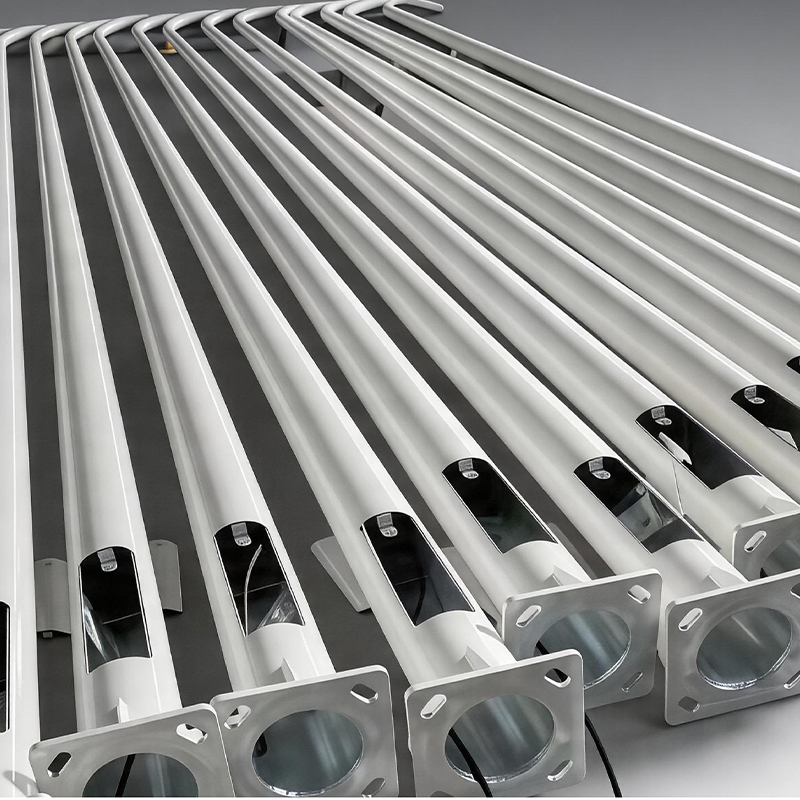
A: RISUN’s light pole designs feature high compatibility. Whether your project plan utilizes traditional sodium lamps or modern LED modules, we can customize matching curved arms and lamp panel frames based on the mounting holes and counterweights of the lamp heads.
About Us
Jiangsu RISUN Traffic Technology Co., Ltd.
RISUN Group is a professional
Street Light Pole Manufacturer with deep industry experience, specializing in outdoor lighting. We offer a full range of lighting solutions, including solar streetlights, mains-powered LED streetlights, and high-mast lighting systems, for municipal and infrastructure applications. Our company boasts a large number of professional engineers specializing in the design, installation, and maintenance of outdoor lighting, traffic signals, and electronic police systems, providing comprehensive pre-sales, sales, and after-sales services. We also possess advanced hot-melt and rumble strip marking equipment and experienced traffic marking installation personnel, focusing on providing comprehensive traffic marking installation services.
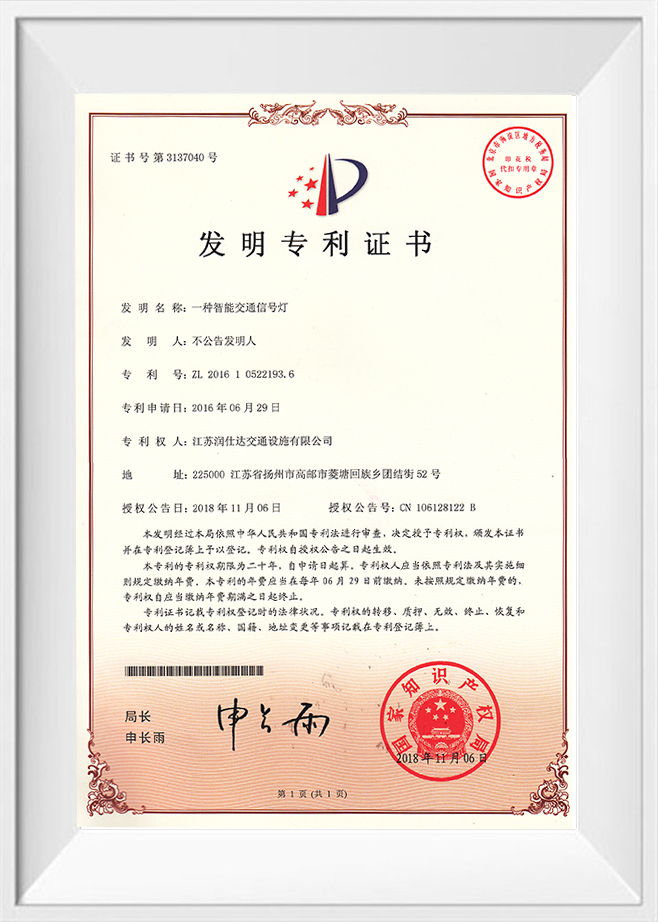
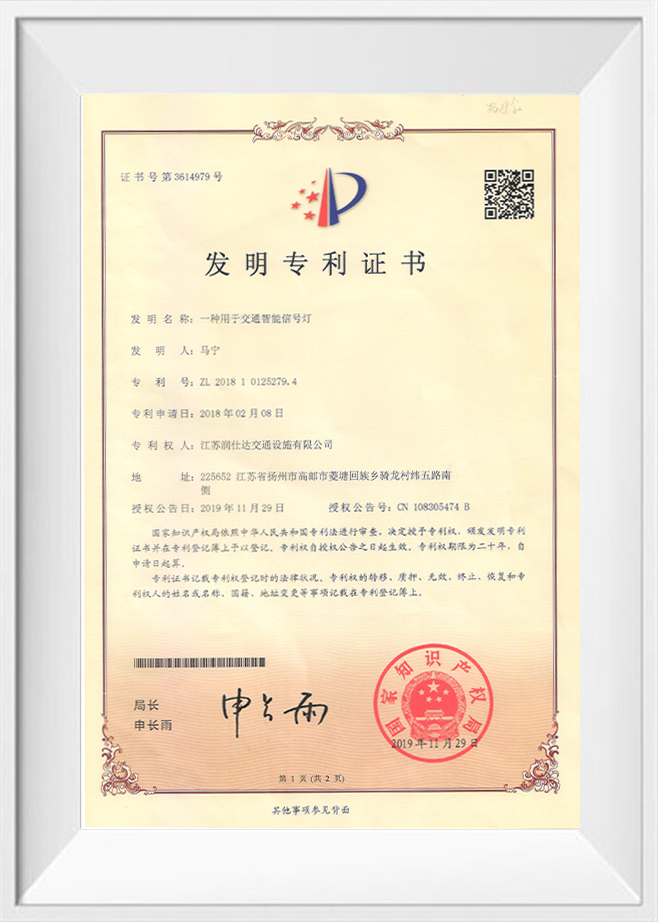
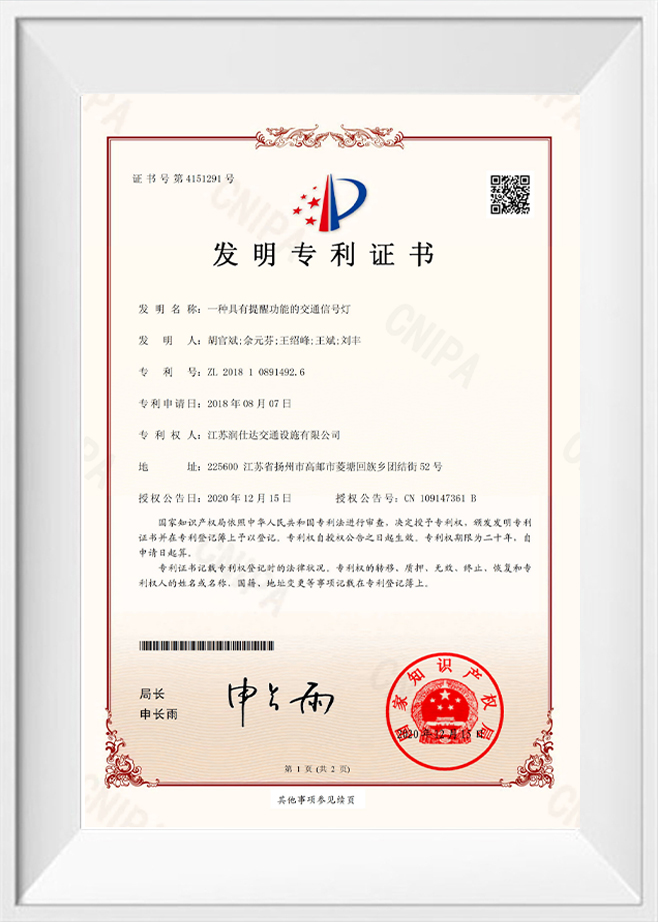
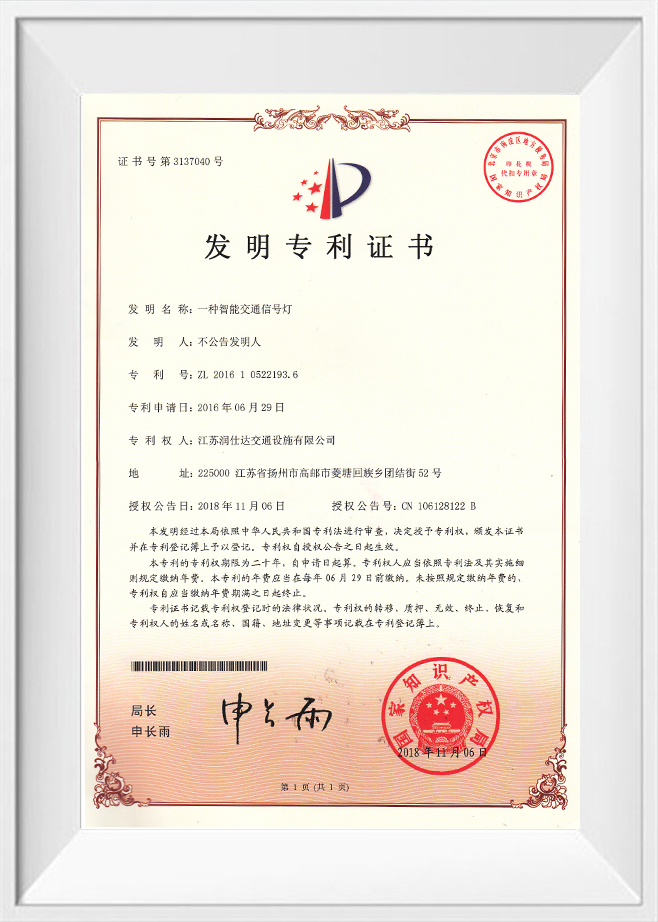
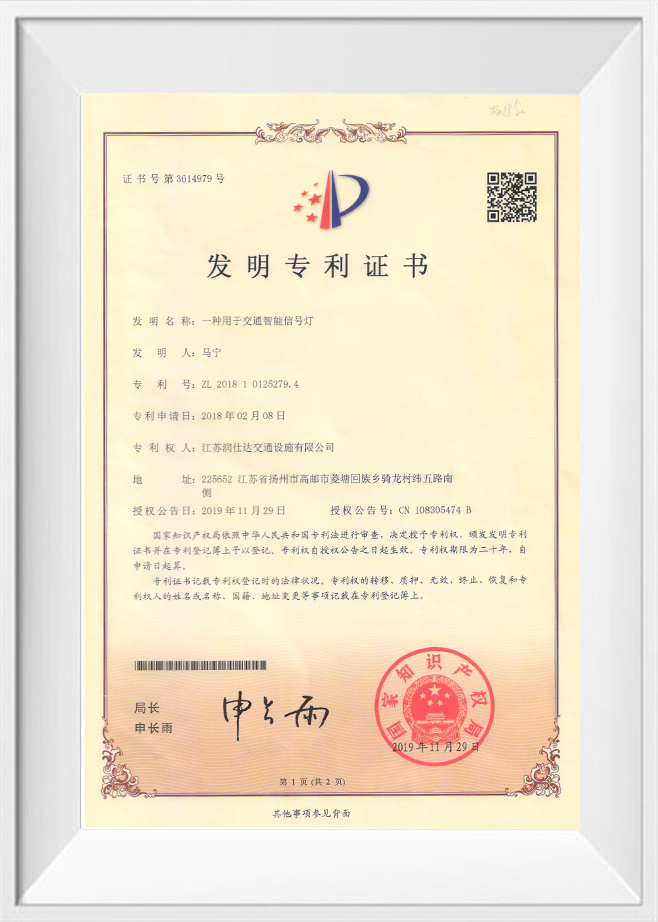
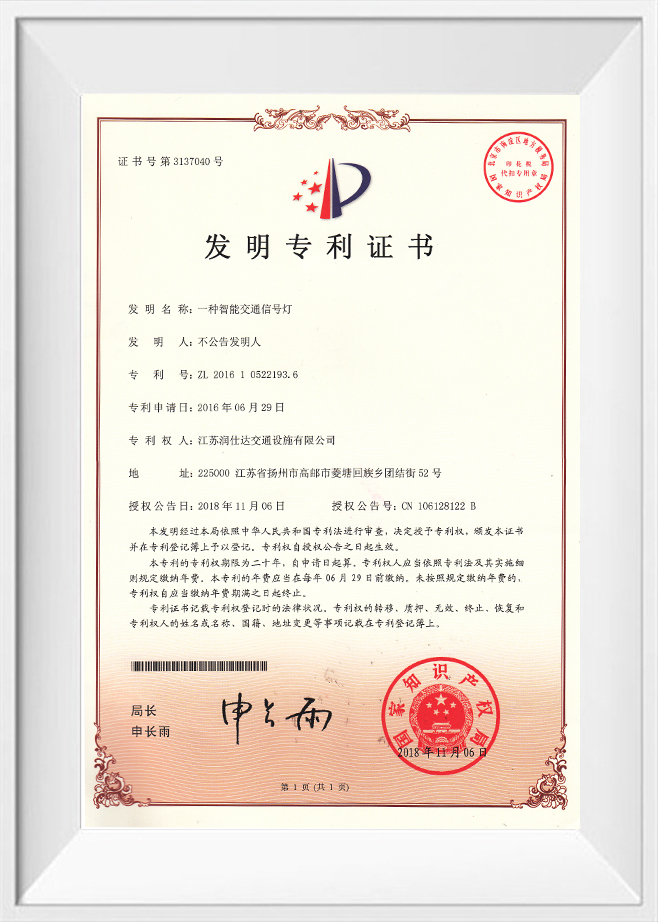
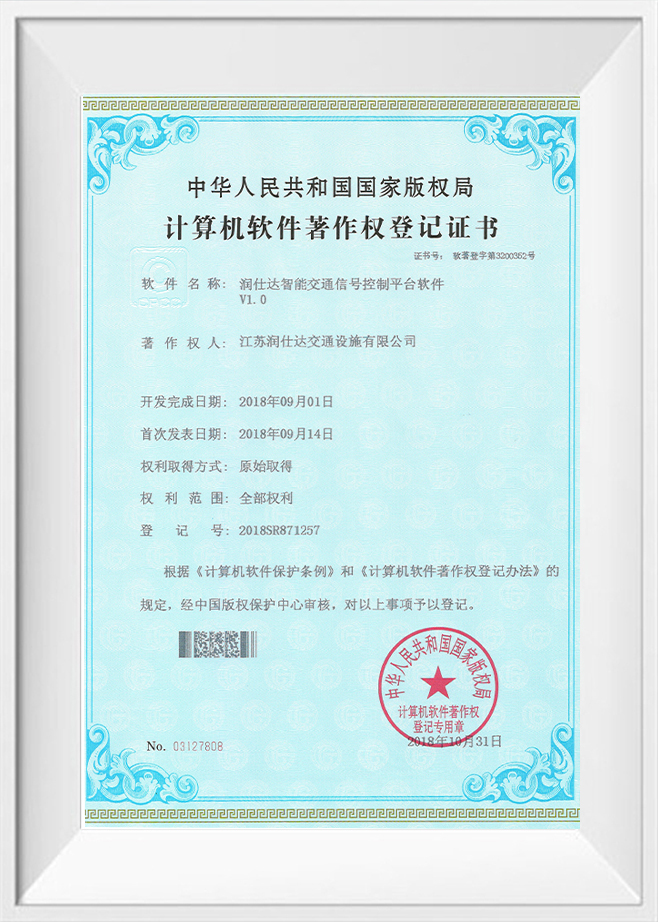
Certificate Of Honor
Blog
-
-
The Direct Answer: Street Light Poles Fall Into a Few Core Categories A street light pole is generally classified by three things, the material it is made from, the height it is manufactured at, and the way the fixture mounts onto it. Most municipal and commercial projects choose between steel, alu...
READ MORE -
The Direct Answer: LED Street Lights Cut Costs and Improve Visibility Cities switched to LED street lights mainly because LED fixtures use far less electricity than older sodium or mercury vapor lamps, last many times longer, and produce whiter, clearer light that helps drivers and pedestrians see ...
READ MORE
Message Feedback
Street Light Pole Industry knowledge
Core Materials and Construction of a Street Light Pole
A Street Light Pole serves as the structural foundation for every road lighting project, and its material, thickness, and fabrication quality directly determine how long the installation lasts. Hot-dip galvanized steel remains the industry standard because the zinc coating bonds metallurgically with the steel surface, providing corrosion resistance that can exceed 25 years with minimal maintenance, even in humid or coastal environments.
Poles are typically formed from cold-rolled steel plate through a bending or flange-welding process, then hot-dip galvanized before an optional powder-coating layer is applied for color and additional UV protection. Wall thickness generally ranges from 3mm to 6mm depending on pole height and expected wind load, with taller poles requiring thicker material to maintain structural rigidity.
Selecting Pole Height for Different Roads
| Road Type | Pole Height | Spacing |
|---|---|---|
| Residential streets | 4-6 meters | 15-20 meters |
| Urban main roads | 8-10 meters | 25-35 meters |
| Highways | 10-12 meters | 35-45 meters |
Structural Testing and Wind-Load Design
Because street light poles stand exposed to wind, storms, and vehicle vibration over decades of service, structural design must account for regional wind-load codes before installation. Well-engineered poles are commonly rated to withstand wind speeds of up to 150 km/h, with foundation bolt patterns and base plate thickness calculated according to the combined weight of the pole, luminaire, and any mounted arms or brackets.
- Welding inspection ensures joints between the base plate and pole shaft can bear repeated wind stress
- Anchor bolt sizing should match soil conditions identified during the site survey
- Taper design on conical poles improves resistance to lateral bending under gusting wind
What to Look for in a Street Light Pole Factory
The quality of a finished pole depends heavily on the equipment and process control used at the production stage. A capable Street Light Pole factory should operate automated plate leveling, steel bending, and welding lines rather than relying on manual fabrication, since automated processes produce more consistent wall thickness and joint strength across every batch.
Jiangsu RISUN Traffic Technology Co., Ltd. operates a 100-acre production facility equipped with fully automatic steel plate bending equipment, automatic welding equipment, steel plate cutting equipment, CNC machining equipment, welding inspection equipment, and automatic spraying lines, allowing pole fabrication, galvanizing preparation, and coating to be managed under consistent quality control from raw steel through to the finished product.
Questions to Ask Before Ordering
- Does the factory perform in-house welding inspection or outsource this step?
- What wall thickness and steel grade are used for the specified pole height?
- Can the factory provide structural load calculations for the local wind zone?
Working With a China Street Light Pole Manufacturer
International buyers sourcing from a China Street Light Pole manufacturer benefit from combining large-scale production capacity with engineering support for custom pole designs, arm configurations, and mounting bracket layouts suited to specific municipal or infrastructure projects. RISUN Group supports this process with a professional engineering team and Class II professional contracting qualifications for urban and road lighting engineering, allowing pole specifications to be matched directly to project drawings and local code requirements.
Beyond pole fabrication, working with a manufacturer that also handles luminaire installation and traffic marking services can simplify project coordination, since pole delivery, lighting fixture mounting, and pavement marking can be scheduled through a single supplier rather than multiple separate contracts.
Frequently Asked Questions
Q1: How long does a hot-dip galvanized street light pole typically last?
A properly galvanized and coated pole can commonly last over 25 years with only periodic visual inspection, since the zinc coating continues protecting the steel even if the surface is lightly scratched.
Q2: What wall thickness is needed for a highway-height pole?
Poles in the 10-12 meter range generally require wall thickness of 4mm to 6mm, though exact requirements depend on local wind-load codes and the weight of mounted luminaires.
Q3: Can pole height and arm design be customized for a specific project?
Yes, most manufacturers can adjust pole height, taper angle, arm length, and bracket configuration based on road width, luminaire type, and local structural codes.
Q4: What documentation should be requested before a bulk pole order?
Buyers should request structural load calculation reports, galvanizing thickness certificates, and welding inspection records to confirm the poles meet the required safety standards before shipment.

Let’s starting a project with
RISUN GROUP
We’d love to hear from you.
RISUN Group is a large-scale specialized transportation safety facility and outdoor lighting production
enterprise that integrates design, production, construction, and technical services.
Quick Links
Product List
Contact Info.
-

+86-180 2173 1222
+86-(0)514-8421 9989
-

-

Fuling Road, Lingtang Hui Township, Gaoyou City, Jiangsu Province, China
QR Code
Copyright © Jiangsu RISUN Traffic Technology Co., Ltd. Street Light Pole Manufacturer Steel Lighting Poles Factory All Rights Reserved.

