
 en
en
 English
 中文简体
中文简体 русский
 Français
 Español
 عربى
عربى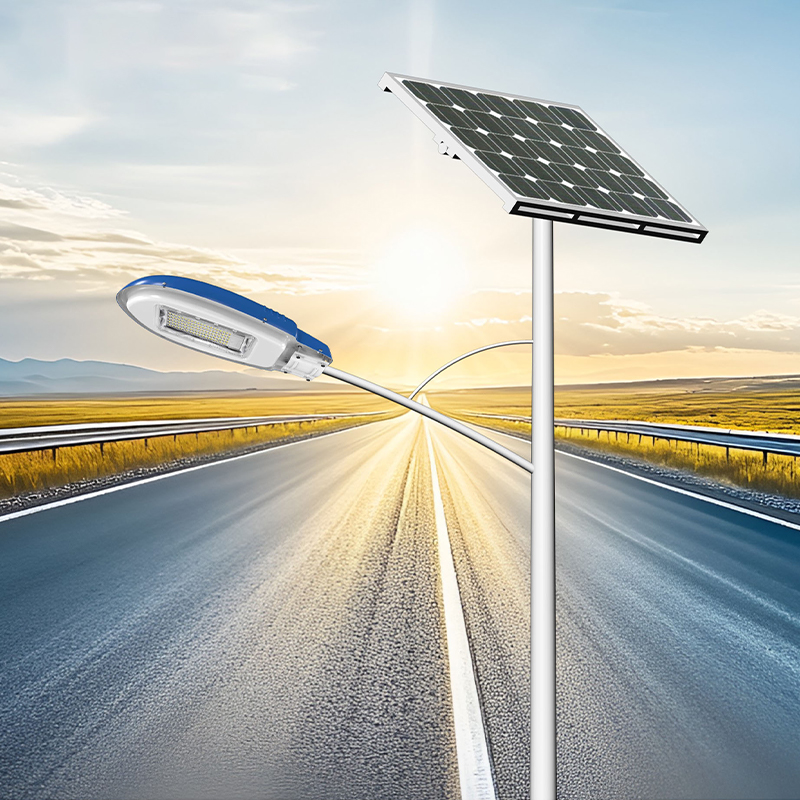
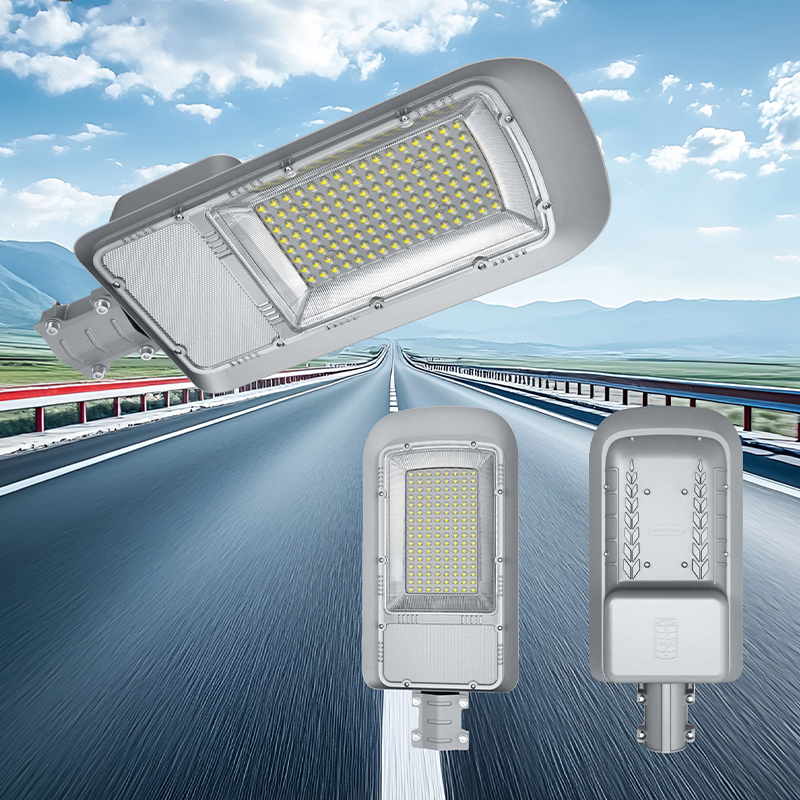
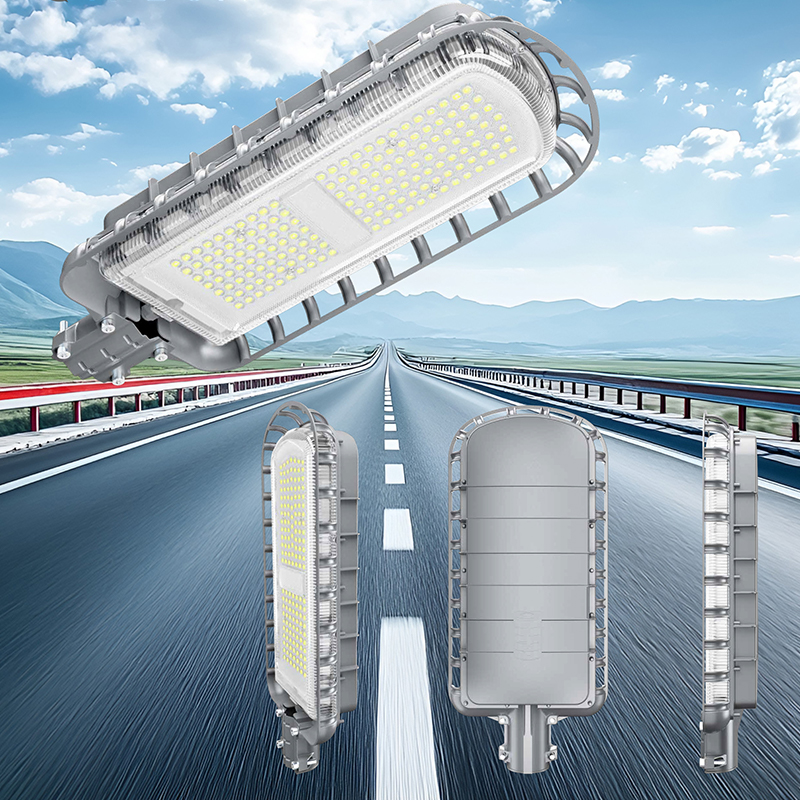
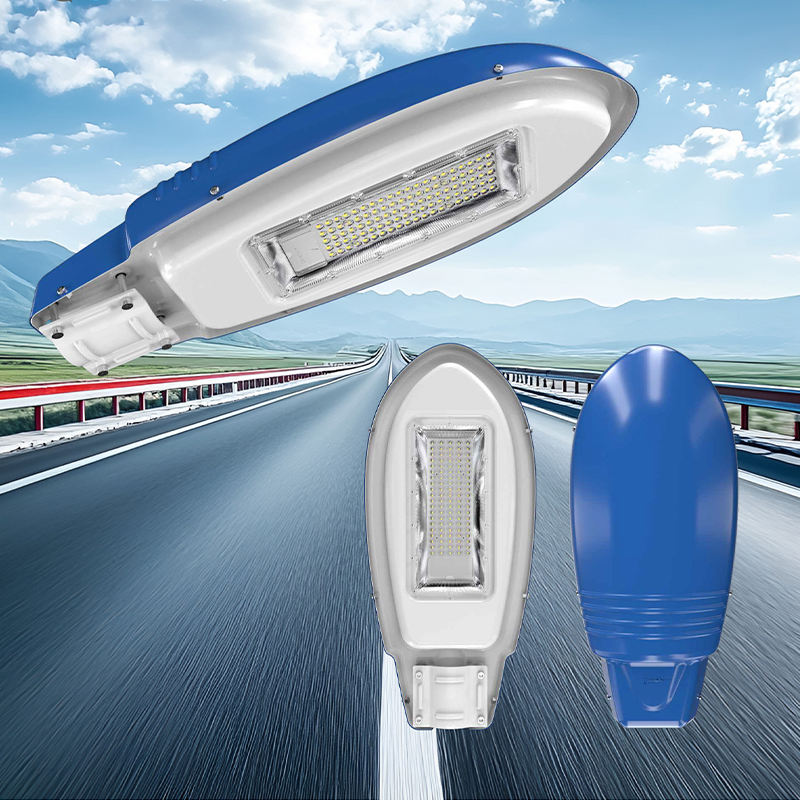
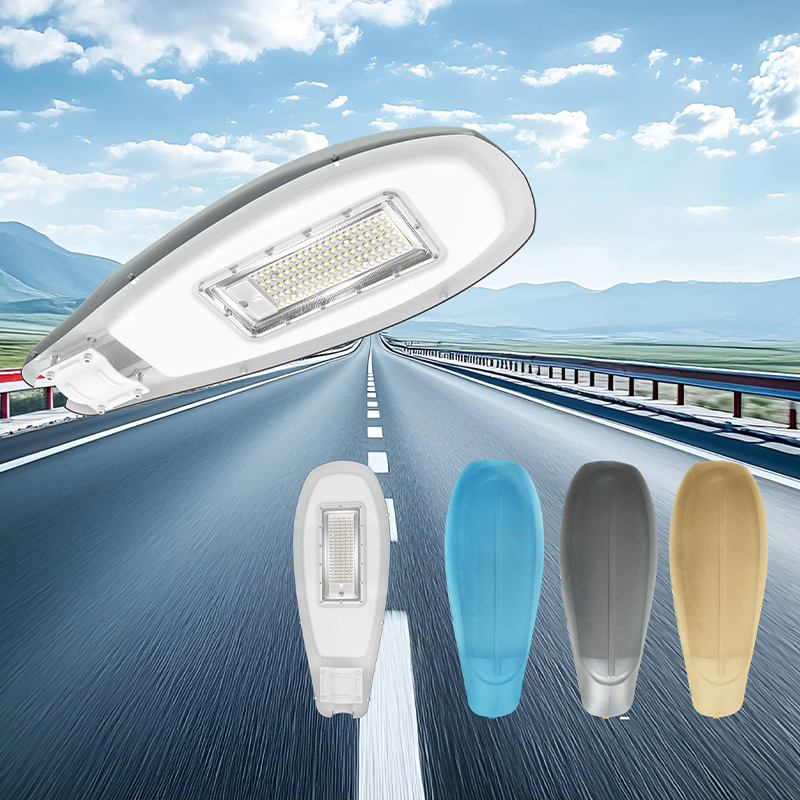
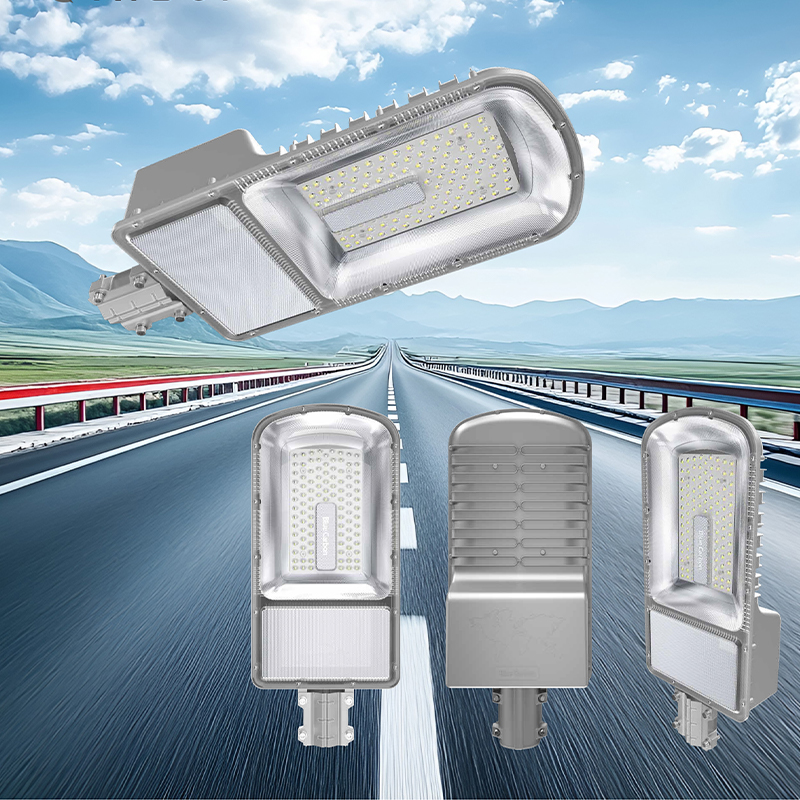
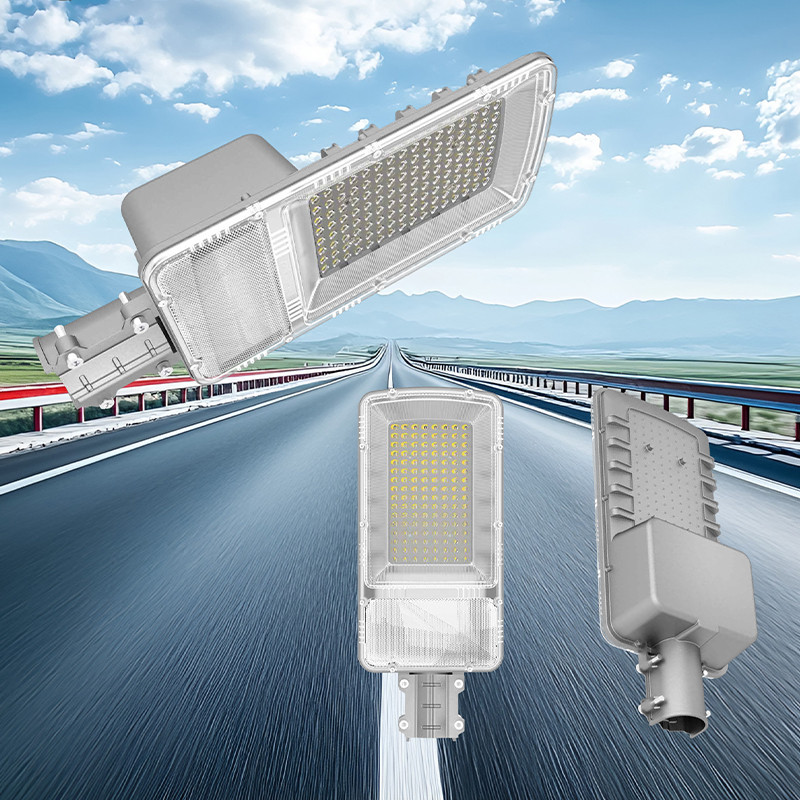



How Long Will a Solar Street Light Last? The Direct Answer A well-built solar street light typically delivers 8 to 10 years of reliable overall service, though individual components age at very different rates. The LED fixture itself is usually rated for 50,000 to 100,000 hours of operation, which ...
READ MORE
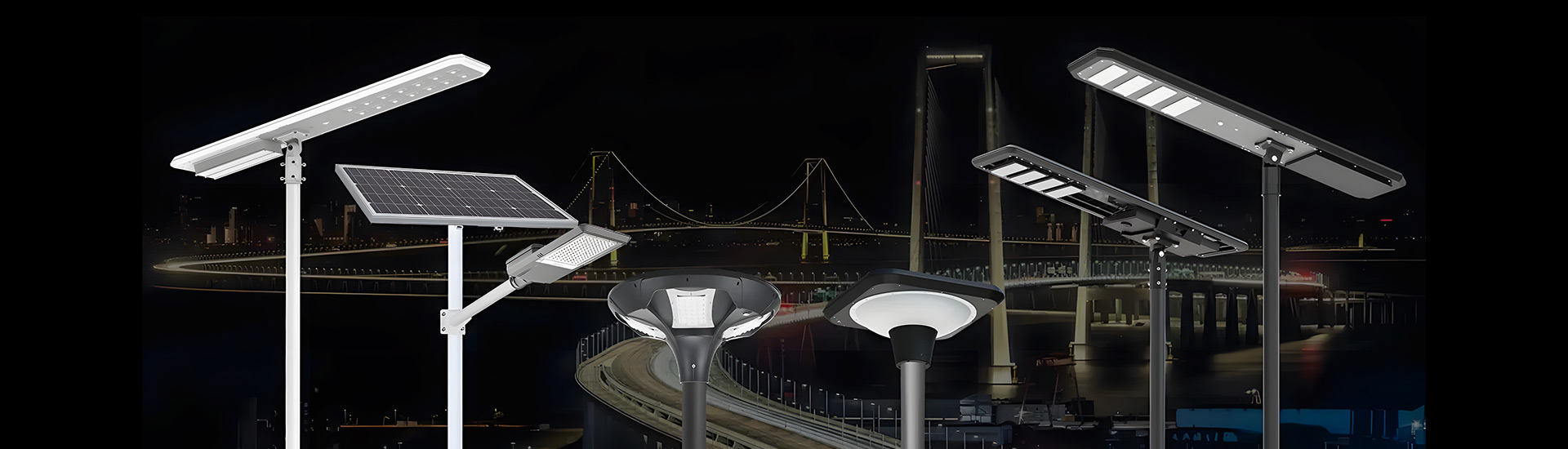
Outdoor Waterproof Solar Street Light Manufacturer
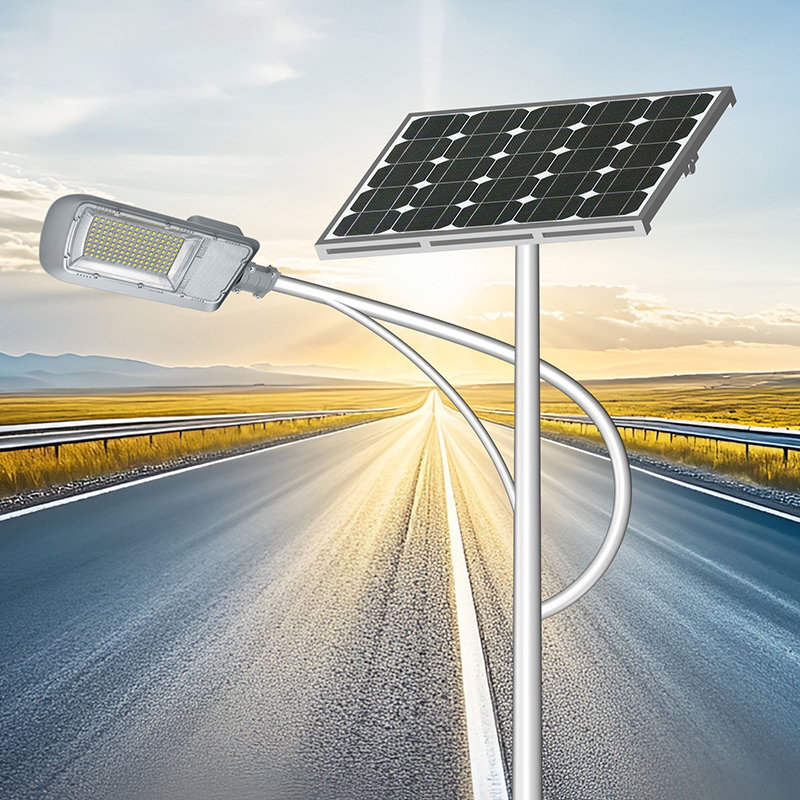
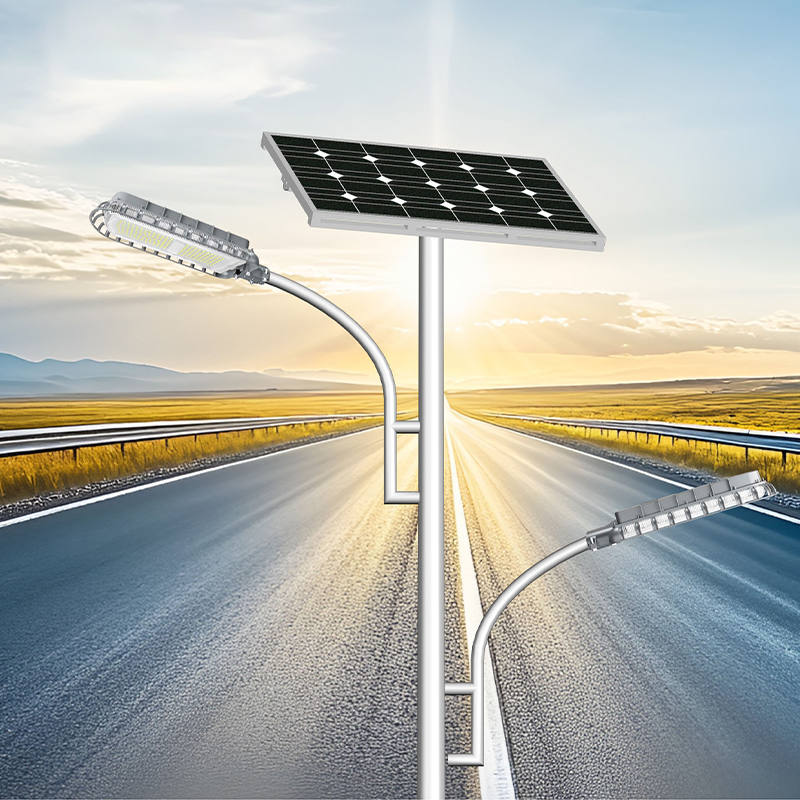
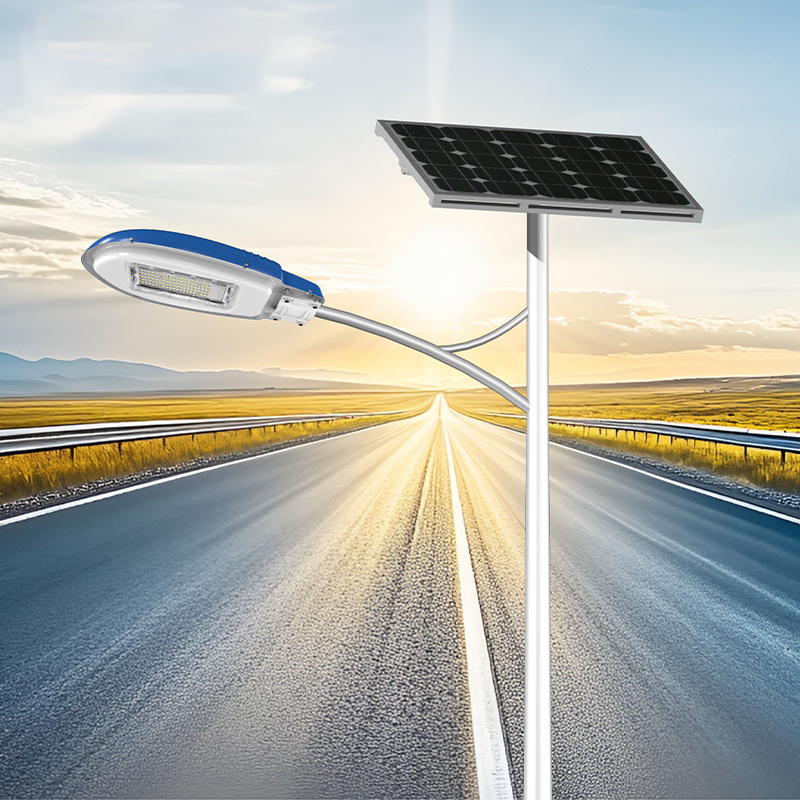
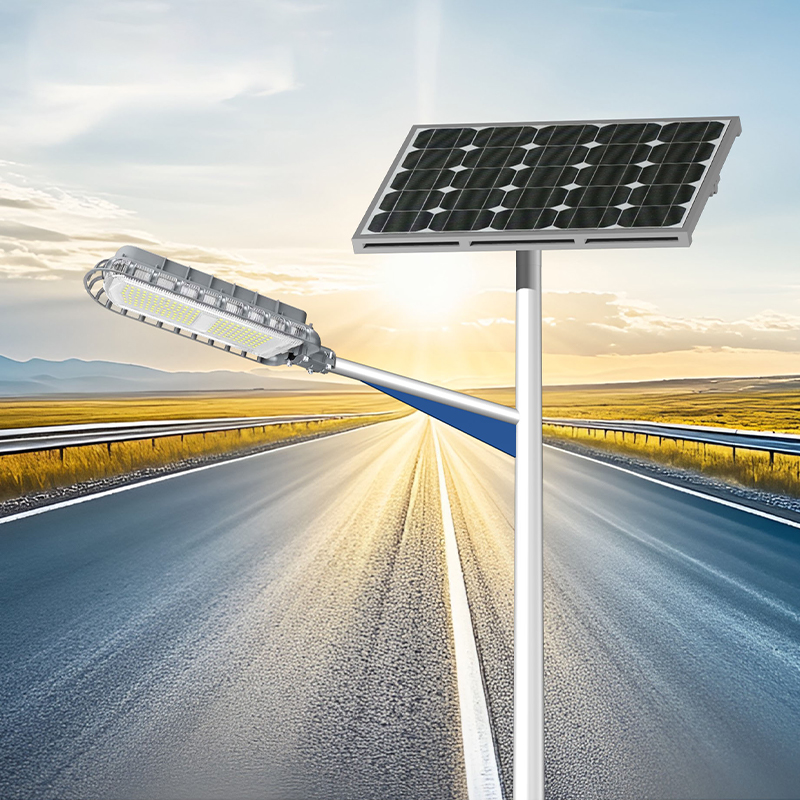
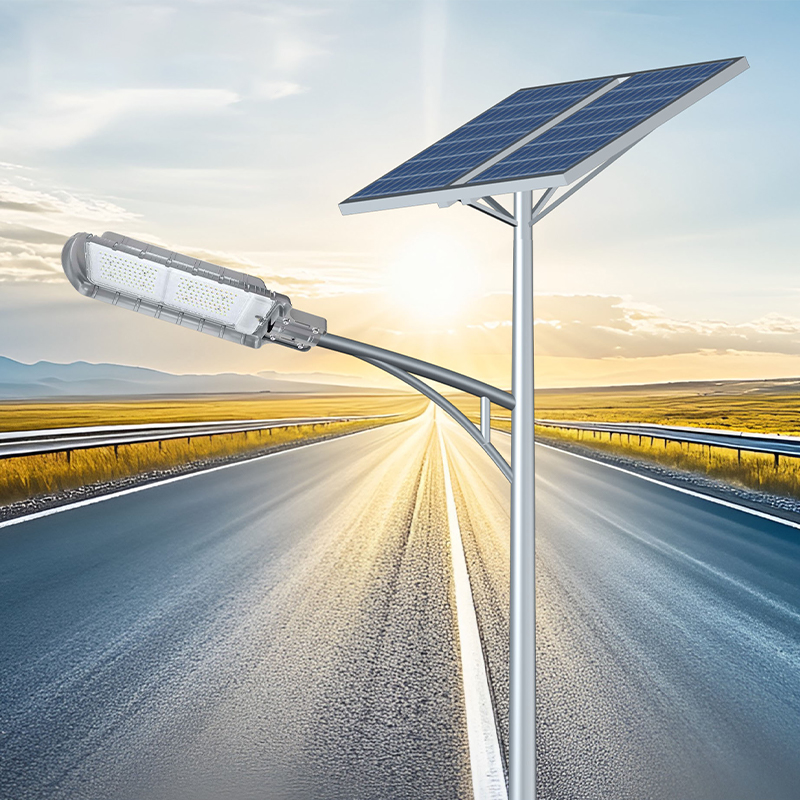
Solar Street Lights: Solar street lights are independent lighting systems that use solar photovoltaic power to provide a self-sufficient power supply.
Applications: Municipal roads, industrial parks, communities, etc.
Advantages:
Economic Efficiency: Zero electricity bills, extremely low maintenance (wireless design, flexible installation, simple and fast construction, etc.)
Environmental Protection & Safety: Green, clean energy, safe to use
Technical Performance: Intelligent management, high reliability, strong weather resistance
Light source height: 5-8m
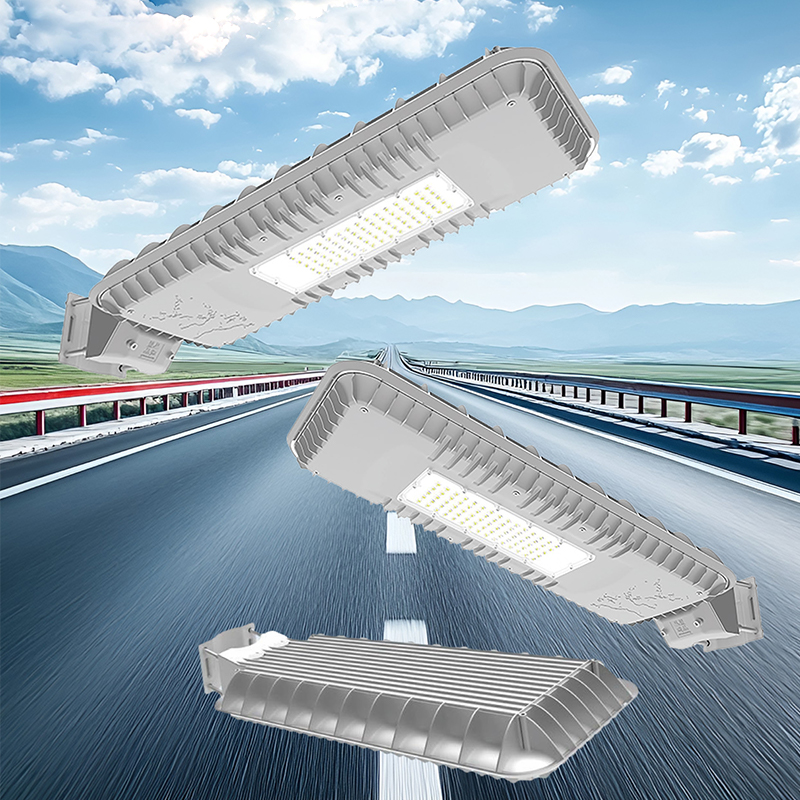
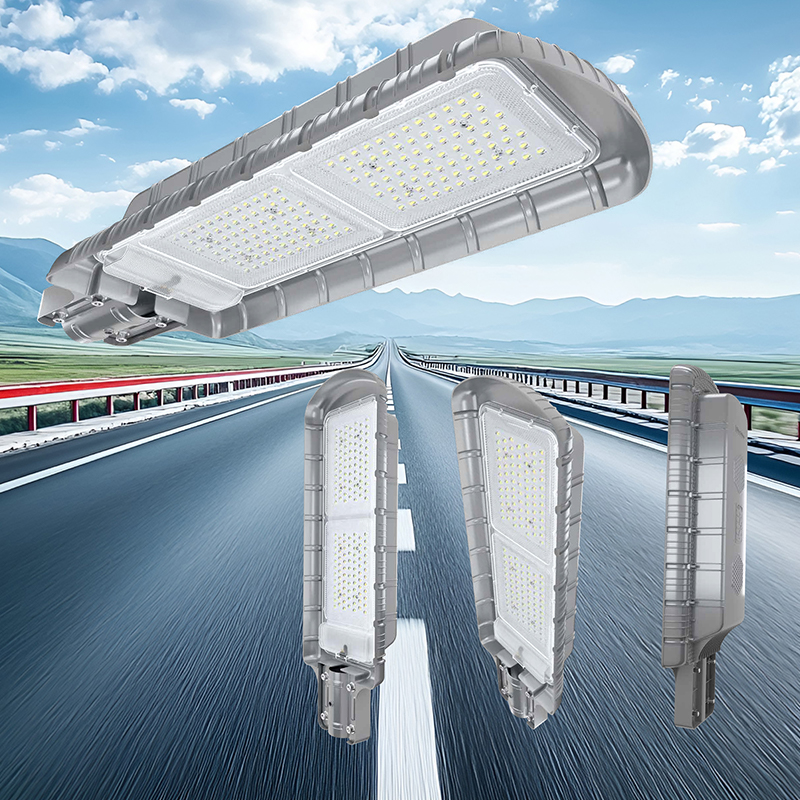
Applicable light source: High-power LED
Solar panel: High-conversion-rate monocrystalline or polycrystalline silicon solar modules
Battery: Fully sealed maintenance-free lead-acid battery
Control system: Microcomputer intelligent control
Lighting time: 8-10 hours
Applicable regions: Regions with annual sunshine hours greater than 2200 hours
Ambient temperature: -20℃ - +60℃
Pole material: High-quality steel, surface treated with hot-dip galvanizing followed by powder coating
Why choose us?
As a professional solar street light manufacturer, RISUN Group provides you with more competitive engineering wholesale prices. We have a complete production line and a strict quality control system, with no middleman links, making prices more transparent and supply more stable to meet large-scale project needs. We also provide more precise, customized services.
● Strong weather resistance: The light pole is made of high-quality steel, hot-dip galvanized and powder-coated, featuring anti-corrosion, anti-rust, and strong wind resistance, suitable for extreme environments from -20℃ to 60℃.
● Intelligent control: Equipped with a microcomputer intelligent control system to achieve timed switching, light control, and overcharge protection, reducing manual management costs and extending equipment life.
● Flexible installation: Wireless design allows for free layout and installation positions. Construction is simple and fast, suitable for various scenarios such as municipal roads, parks, and communities.
● Green and environmental protection: Using clean solar power, zero electricity bills, and avoiding traditional power line construction risks, meeting sustainable development requirements.
The group has a large number of professional traffic signal and electronic police system engineering design, installation, and maintenance technicians, providing customers with a full range of pre-sale, in-sale, and after-sales services. With a 100-acre manufacturing base as a source factory, we provide you with more competitive engineering wholesale prices. Welcome to contact our technical experts to get a customized solution for your project.
Frequently Asked Questions (FAQ)
Q1. Can solar street lights work normally on rainy days?
Our solar street lights use high-efficiency solar components, which can maintain night lighting through battery storage even in continuous rainy weather. Generally, under normal sunshine conditions, they can provide continuous lighting for 3-5 days.
Q2. What is the service life of the light source and light pole?
The lifespan of high-power LED light sources can reach more than 50,000 hours. The light pole is made of hot-dip galvanized and powder-coated steel, which is corrosion-resistant and has strong wind resistance, with a service life generally over 15 years.
Q3. Does installing solar street lights require laying cables?
No. Our solar street lights use an independent power supply design, requiring no external power source or wiring, making installation more flexible and fast.
Q4. How to choose a suitable light pole height?
We recommend the light source height to be between 5-8 meters. Depending on the road width, illumination requirements, and environmental scenarios, different heights and powers of lamps can be selected.
Q5. In which regions are they suitable for installation?
Our solar street lights are suitable for regions with annual sunshine hours greater than 2200 hours, such as most municipal roads, parks, communities, parking lots, etc. Meanwhile, the fixtures can withstand environments from -20℃ to 60℃ and can handle extreme climates.
Q6. Do the fixtures require regular maintenance?
Using fully sealed maintenance-free lead-acid batteries and intelligent control systems, there is almost no need for daily maintenance. Just periodically check and clean the dust on the photovoltaic panels and the surface of the fixtures.
Q7. How to ensure 8-10 hours of continuous lighting at night?
We ensure 8-10 hours of continuous night lighting under sufficient sunshine conditions by reasonably configuring the solar battery components and battery capacity, combined with the intelligent control system.
About Us
Jiangsu RISUN Traffic Technology Co., Ltd.
RISUN Group is a professional
Outdoor Waterproof Solar Street Light Manufacturer with deep industry experience, specializing in outdoor lighting. We offer a full range of lighting solutions, including solar streetlights, mains-powered LED streetlights, and high-mast lighting systems, for municipal and infrastructure applications. Our company boasts a large number of professional engineers specializing in the design, installation, and maintenance of outdoor lighting, traffic signals, and electronic police systems, providing comprehensive pre-sales, sales, and after-sales services. We also possess advanced hot-melt and rumble strip marking equipment and experienced traffic marking installation personnel, focusing on providing comprehensive traffic marking installation services.
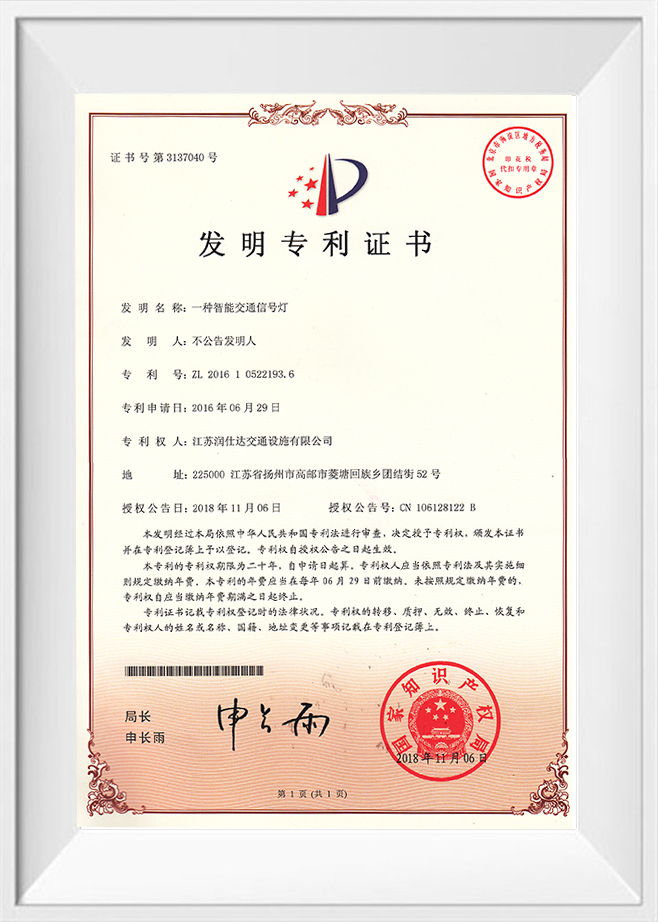
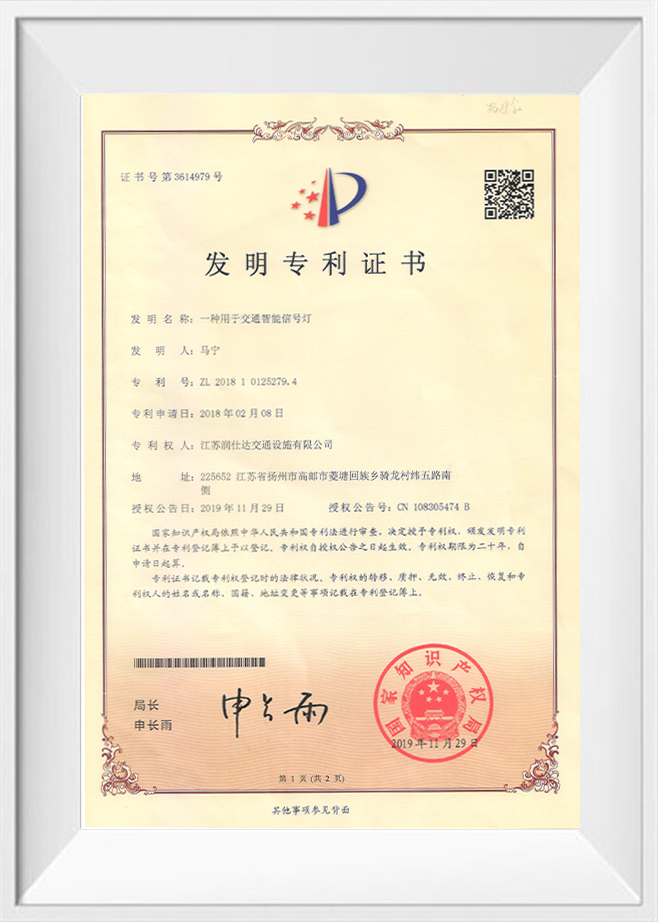
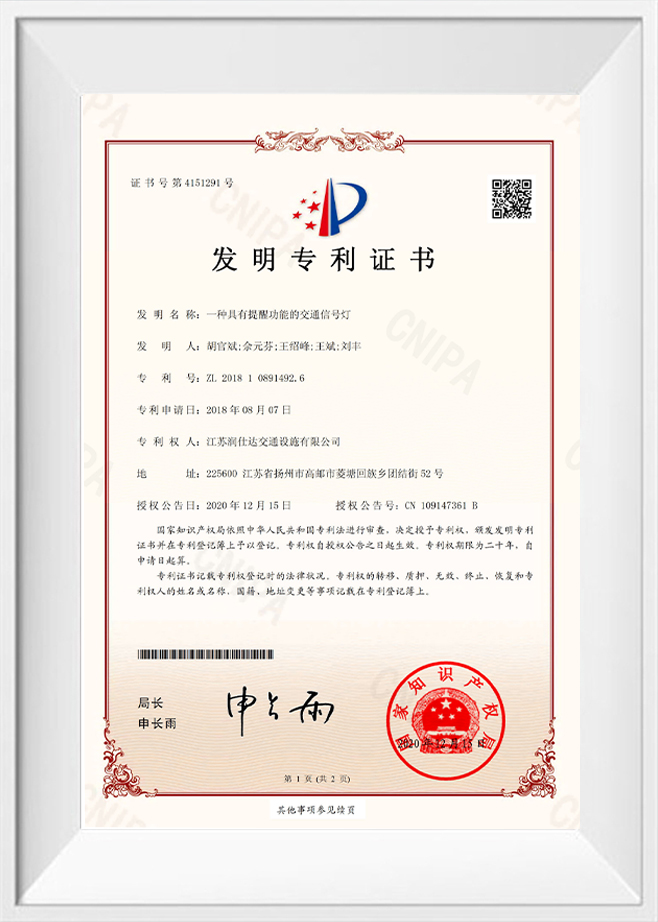
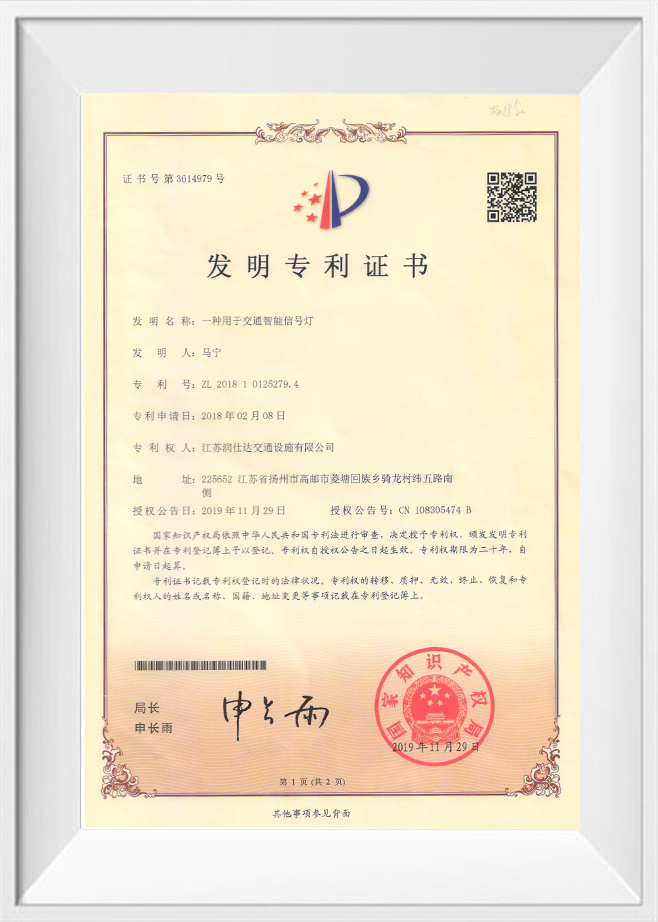
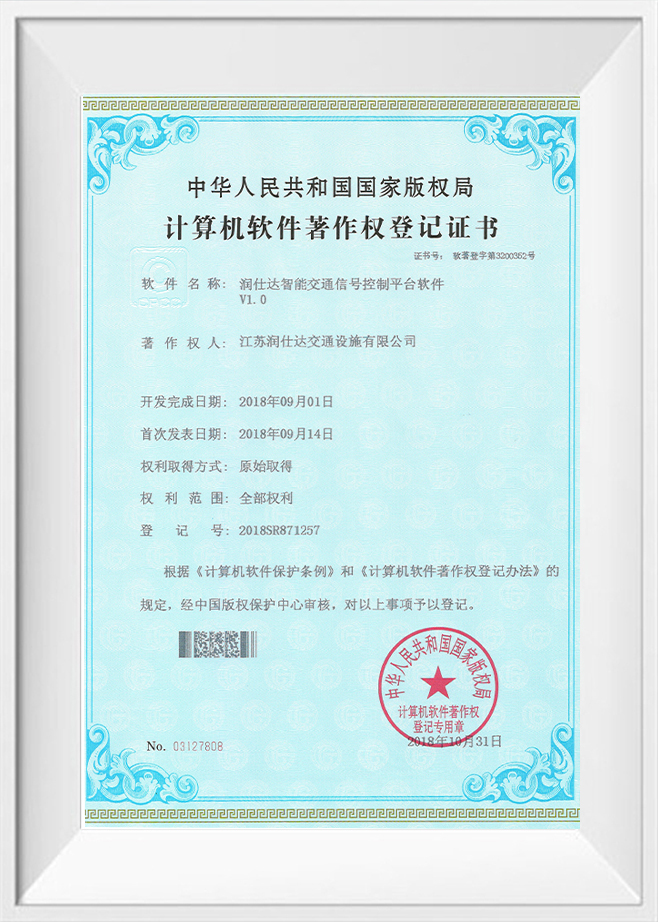
Certificate Of Honor
Blog
-
-
The Direct Answer: Street Light Poles Fall Into a Few Core Categories A street light pole is generally classified by three things, the material it is made from, the height it is manufactured at, and the way the fixture mounts onto it. Most municipal and commercial projects choose between steel, alu...
READ MORE -
The Direct Answer: LED Street Lights Cut Costs and Improve Visibility Cities switched to LED street lights mainly because LED fixtures use far less electricity than older sodium or mercury vapor lamps, last many times longer, and produce whiter, clearer light that helps drivers and pedestrians see ...
READ MORE
Message Feedback
Solar Street Light Industry knowledge
How a Solar Street Light Works
A Solar Street Light operates as a self-contained power system: a photovoltaic panel converts sunlight into DC electricity during the day, a charge controller regulates the current into a lithium or lead-acid battery, and a light sensor automatically switches the LED module on at dusk. This closed-loop design removes the need for trenching, cabling, or connection to the municipal power grid, making it one of the most cost-effective outdoor lighting solutions for roads without existing electrical infrastructure.
High-efficiency LED chips used in modern fixtures can achieve over 130 lumens per watt, meaning a 60W solar street light can produce brightness comparable to a 150W traditional sodium lamp while drawing far less stored energy. Most systems are engineered to provide 10-12 hours of continuous nightly operation, with battery reserves covering 3-5 consecutive cloudy or rainy days.
Key Components
- Monocrystalline or polycrystalline solar panel for efficient energy capture
- Lithium iron phosphate (LiFePO4) battery for long charge-discharge cycle life
- Smart controller with dusk-to-dawn sensing and motion-activated dimming
- High-efficiency LED module with IP65 or higher weatherproof rating
What to Expect From a Solar Street Light Factory
A reliable Solar Street Light Factory should control every stage of production in-house, from steel pole fabrication to circuit board assembly, rather than outsourcing critical components. Jiangsu RISUN Traffic Technology Co., Ltd. operates a 100-acre production facility equipped with automatic plate leveling, steel bending, welding, CNC machining, and spraying lines, alongside imported chip mounters and electronic testing equipment for controller and driver production.
This level of vertical integration allows tighter quality control at every step, since welding inspection and automated spraying reduce inconsistencies that often appear when components are sourced from multiple third-party suppliers. Buyers evaluating a factory should ask about production capacity, in-house testing equipment, and whether pole and lighting components are manufactured on the same site.
Solar Street Light Wholesale: Cost Factors to Compare
Buyers pursuing Solar Street Light Wholesale pricing typically see unit costs drop significantly once order volumes reach container-load quantities, since production, packaging, and shipping costs are spread across more units. However, price alone should not drive sourcing decisions; battery chemistry, panel wattage, and pole material all affect long-term performance and lifespan.
| Order Volume | Typical Lead Time | Common Use Case |
|---|---|---|
| Sample order (1-10 units) | 3-7 days | Product testing and evaluation |
| Small batch (50-200 units) | 15-25 days | Community or campus projects |
| Container load (500+ units) | 30-45 days | Municipal and highway projects |
Working With a Custom Solar Street Light Manufacturer
Standard fixtures do not always fit every road layout, pole height requirement, or branding need, which is why many buyers turn to a custom solar street light manufacturer for tailored solutions. Customization commonly covers pole height and shape, panel wattage, battery capacity, mounting brackets, and control logic such as motion-activated dimming schedules.
Typical Customization Options
- Pole height and design adapted to road classification and wind-load requirements
- Battery and panel sizing adjusted for regional sunlight hours and rainy-season backup needs
- Optional integration with CCTV mounts, Wi-Fi nodes, or EV charging attachments
- Custom color coating and nameplate branding for municipal or private developments
RISUN Group supports this process with a professional engineering team that manages design, installation, and after-sales maintenance, drawing on Class II professional contracting qualifications for both electronic and intelligent engineering and urban and road lighting engineering.
Choosing a Municipal Solar Street Light Manufacturer
Municipal infrastructure projects demand a higher standard of reliability than residential installations, since a Municipal Solar Street Light Manufacturer must supply fixtures that can withstand years of continuous public use with minimal maintenance visits. Government tenders typically require documented wind-load ratings, IP-rated enclosures, and after-sales support commitments covering several years.
Companies serving this segment often combine outdoor lighting with related traffic infrastructure work, including traffic signal installation and electronic police systems, allowing a single contractor to handle multiple components of a road safety upgrade. This integrated capability, paired with advanced hot-melt and rumble strip marking equipment for pavement markings, helps municipal buyers consolidate procurement and simplify long-term maintenance contracts.
Frequently Asked Questions
Q1: How long does a solar street light last before major maintenance is needed?
LED modules typically operate for over 50,000 hours, while lithium batteries are commonly rated for 2,000+ charge cycles, translating to roughly 5-8 years before battery replacement is needed under normal use.
Q2: What is the minimum order quantity for wholesale purchasing?
Minimum order quantities vary by manufacturer and fixture wattage, but many factories accept small sample orders before scaling up to container-load wholesale pricing.
Q3: Can pole height and panel size be customized for a specific project?
Yes, a custom solar street light manufacturer can adjust pole height, panel wattage, and battery capacity based on road classification, regional sunlight hours, and local wind-load codes.
Q4: What certifications should a municipal buyer request before purchasing?
Municipal buyers should request documented wind-load test results, IP-rated waterproofing certification, and evidence of relevant contracting qualifications for road lighting engineering before finalizing large-scale orders.

Let’s starting a project with
RISUN GROUP
We’d love to hear from you.
RISUN Group is a large-scale specialized transportation safety facility and outdoor lighting production
enterprise that integrates design, production, construction, and technical services.
Quick Links
Product List
Contact Info.
-

+86-180 2173 1222
+86-(0)514-8421 9989
-

-

Fuling Road, Lingtang Hui Township, Gaoyou City, Jiangsu Province, China
QR Code
Copyright © Jiangsu RISUN Traffic Technology Co., Ltd. Outdoor Waterproof Solar Street Light Manufacturer Waterproof Solar Street Light Factory All Rights Reserved.

