
 en
en
 English
 中文简体
中文简体 русский
 Français
 Español
 عربى
عربى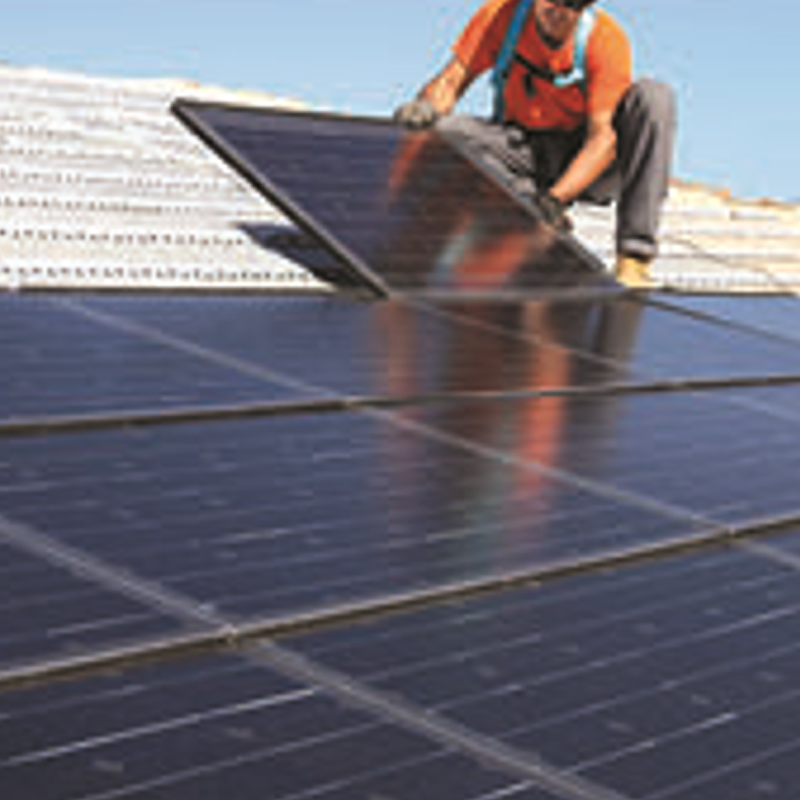



How Long Will a Solar Street Light Last? The Direct Answer A well-built solar street light typically delivers 8 to 10 years of reliable overall service, though individual components age at very different rates. The LED fixture itself is usually rated for 50,000 to 100,000 hours of operation, which ...
READ MORE
Solar Energy Storage System Manufacturer
The off-grid solar photovoltaic power is defined as a power generation mode that is connected by solar photovoltaic power generation and the grid, its typical characteristic is that the battery stores electric energy to use at night.
About Us
Jiangsu RISUN Traffic Technology Co., Ltd.
RISUN Group is a professional
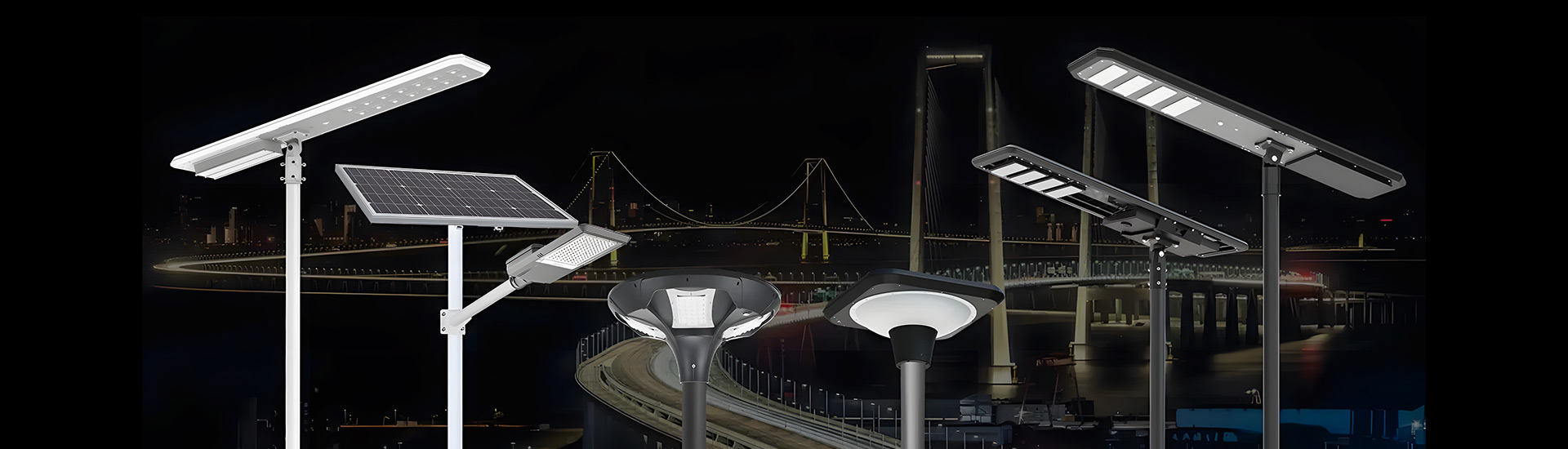
Solar Energy Storage System Manufacturer with deep industry experience, specializing in outdoor lighting. We offer a full range of lighting solutions, including solar streetlights, mains-powered LED streetlights, and high-mast lighting systems, for municipal and infrastructure applications. Our company boasts a large number of professional engineers specializing in the design, installation, and maintenance of outdoor lighting, traffic signals, and electronic police systems, providing comprehensive pre-sales, sales, and after-sales services. We also possess advanced hot-melt and rumble strip marking equipment and experienced traffic marking installation personnel, focusing on providing comprehensive traffic marking installation services.
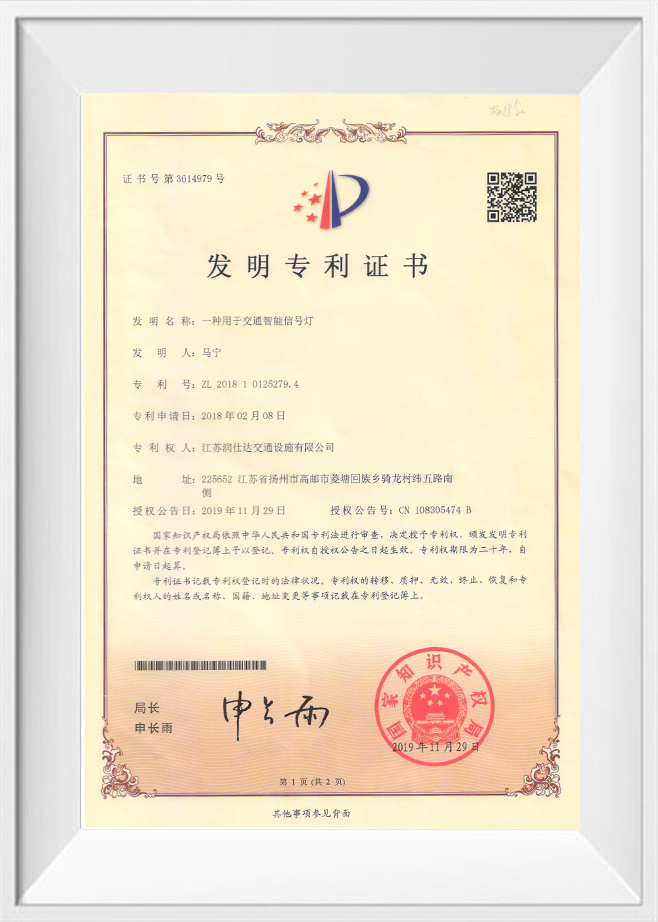
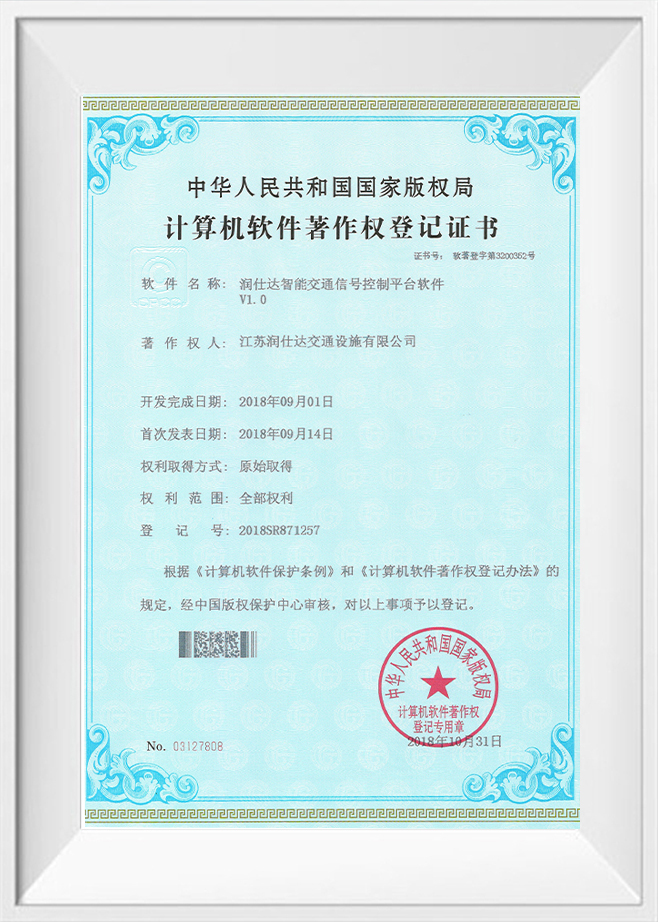
Certificate Of Honor
Related Products
Blog
-
-
The Direct Answer: Street Light Poles Fall Into a Few Core Categories A street light pole is generally classified by three things, the material it is made from, the height it is manufactured at, and the way the fixture mounts onto it. Most municipal and commercial projects choose between steel, alu...
READ MORE -
The Direct Answer: LED Street Lights Cut Costs and Improve Visibility Cities switched to LED street lights mainly because LED fixtures use far less electricity than older sodium or mercury vapor lamps, last many times longer, and produce whiter, clearer light that helps drivers and pedestrians see ...
READ MORE
Message Feedback
Energy Storage System Industry knowledge
What an Energy Storage System Does
An Energy Storage System captures electricity generated during peak production periods and releases it when demand rises or generation drops, smoothing out the mismatch between when power is produced and when it is actually needed. For infrastructure and outdoor applications, this typically means storing solar-generated electricity during daylight hours so it can power lighting, signals, or equipment throughout the night.
The core of a modern system is a battery bank, most commonly built from lithium iron phosphate (LiFePO4) cells, which offer over 2,000 charge-discharge cycles before capacity noticeably declines, along with strong thermal stability that reduces fire risk compared to older lithium-ion chemistries. A battery management system (BMS) continuously monitors cell voltage, temperature, and current to prevent overcharging and extend service life.
Core Components
- Battery bank for storing generated or grid-drawn electricity
- Battery management system for cell balancing and safety monitoring
- Inverter or charge controller for converting and regulating power flow
- Enclosure rated for outdoor temperature swings and moisture exposure
How a Solar Off-Grid Power Generation System Operates
A Solar Off-Grid Power Generation System combines a photovoltaic array, charge controller, battery storage, and often an inverter to deliver reliable electricity in locations without access to the utility grid. Unlike grid-tied solar setups that can draw backup power from the utility network, off-grid systems must be sized carefully so the battery bank alone can cover nighttime and low-sunlight periods.
Sizing typically starts with calculating the daily energy consumption of the connected load, then working backward to determine panel wattage and battery capacity needed to cover that demand with a safety margin for cloudy days. Systems designed for road lighting, remote signage, or monitoring equipment commonly include 3-5 days of autonomy, meaning the battery can sustain normal operation for several consecutive days without any solar charging.
Typical Off-Grid Applications
| Application | Typical Daily Load |
|---|---|
| Road and street lighting | 0.3-1.2 kWh per fixture |
| Traffic signal systems | 0.5-2 kWh per intersection |
| Remote monitoring or CCTV | 0.2-1 kWh per unit |
Why Storage Reliability Matters for Infrastructure Projects
For municipal and infrastructure customers, the reliability of an energy storage system directly affects public safety, since failures in a traffic signal or road lighting network create real risk rather than mere inconvenience. Battery chemistry, enclosure sealing, and thermal management all influence how consistently a system performs across seasonal temperature swings and years of continuous outdoor exposure.
Jiangsu RISUN Traffic Technology Co., Ltd. designs and integrates storage components as part of a broader outdoor lighting and traffic infrastructure portfolio, drawing on its production base equipped with advanced electronic product testing equipment, imported chip mounters, and circuit board welding lines to verify controller and battery management performance before deployment. This integration allows storage systems to be engineered alongside the lighting or signal equipment they power, rather than sourced as a generic aftermarket component.
Sizing and Maintenance Best Practices
Correct sizing prevents two common failure modes: undersized systems that run out of power during extended cloudy periods, and oversized systems that add unnecessary cost without meaningful benefit. A practical approach starts with an accurate load audit, followed by panel and battery selection based on regional solar irradiance data for the installation site.
Recommended Maintenance Checkpoints
- Inspect panel surfaces periodically for dust or debris buildup that reduces charging efficiency
- Check battery enclosure seals annually, particularly before rainy seasons
- Review BMS logs where available to catch early signs of cell imbalance
Following these checkpoints helps extend the operational lifespan of both the storage system and the equipment it powers, reducing unplanned maintenance visits over the life of the installation.
Frequently Asked Questions
Q1: How long does a typical energy storage battery last before replacement?
LiFePO4 batteries commonly rated for over 2,000 charge cycles can last 5-8 years under normal daily charge and discharge patterns, depending on climate and depth of discharge.
Q2: How many days of backup power should an off-grid system include?
Most infrastructure projects design for 3-5 days of autonomy, allowing the system to continue operating through extended cloudy or rainy periods without solar charging.
Q3: Can an off-grid solar system be scaled up after initial installation?
Yes, many systems are designed with modular battery and panel configurations, allowing additional capacity to be added later as load requirements grow.
Q4: What causes premature battery degradation in outdoor storage systems?
Extreme temperature exposure, inadequate enclosure sealing against moisture, and repeated deep discharges below recommended levels are the most common causes of reduced battery lifespan.

Let’s starting a project with
RISUN GROUP
We’d love to hear from you.
RISUN Group is a large-scale specialized transportation safety facility and outdoor lighting production
enterprise that integrates design, production, construction, and technical services.
Quick Links
Product List
Contact Info.
-

+86-180 2173 1222
+86-(0)514-8421 9989
-

-

Fuling Road, Lingtang Hui Township, Gaoyou City, Jiangsu Province, China
QR Code
Copyright © Jiangsu RISUN Traffic Technology Co., Ltd. Solar Energy Storage System Manufacturer OEM/ODM Solar Energy Storage System Supplier All Rights Reserved.

