
 en
en
 English
 中文简体
中文简体 русский
 Français
 Español
 عربى
عربى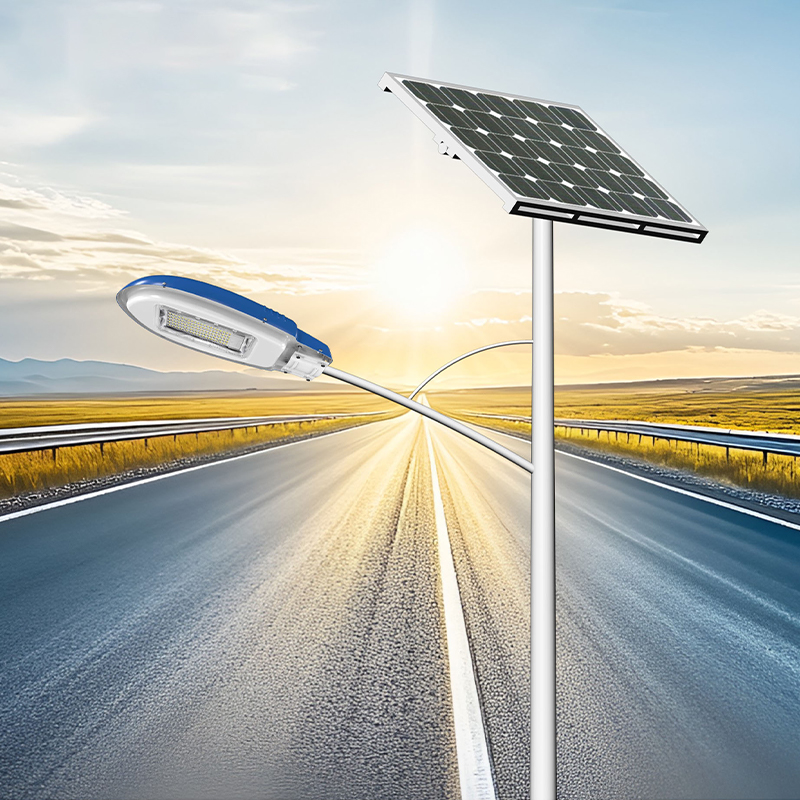
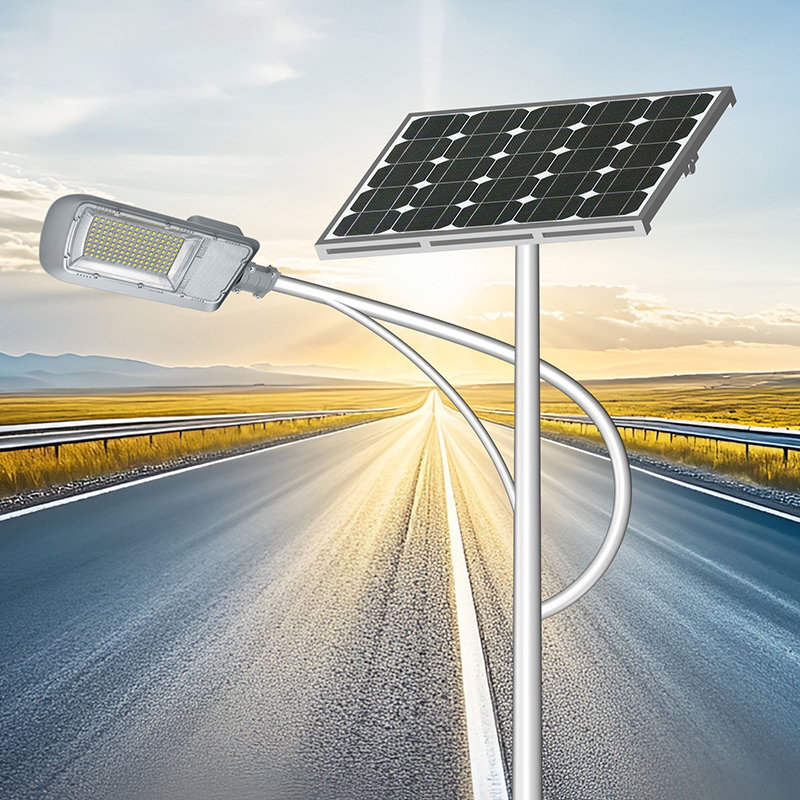
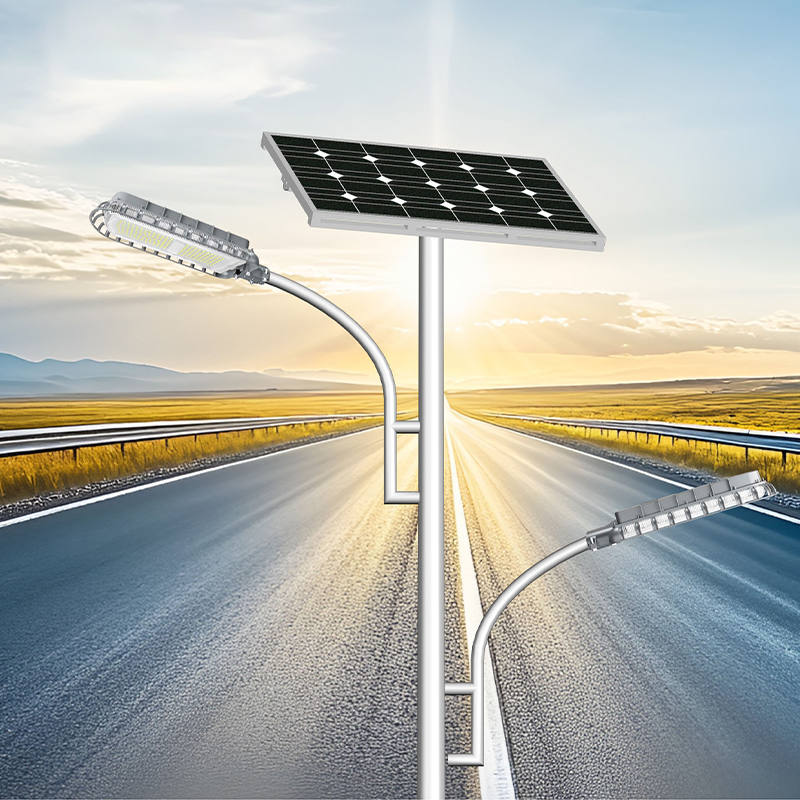
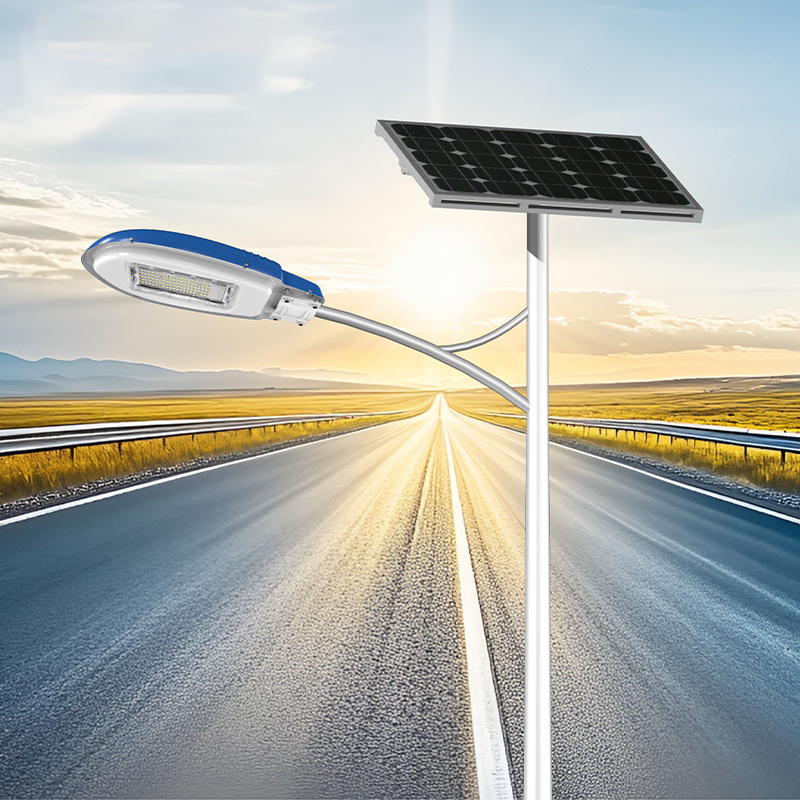
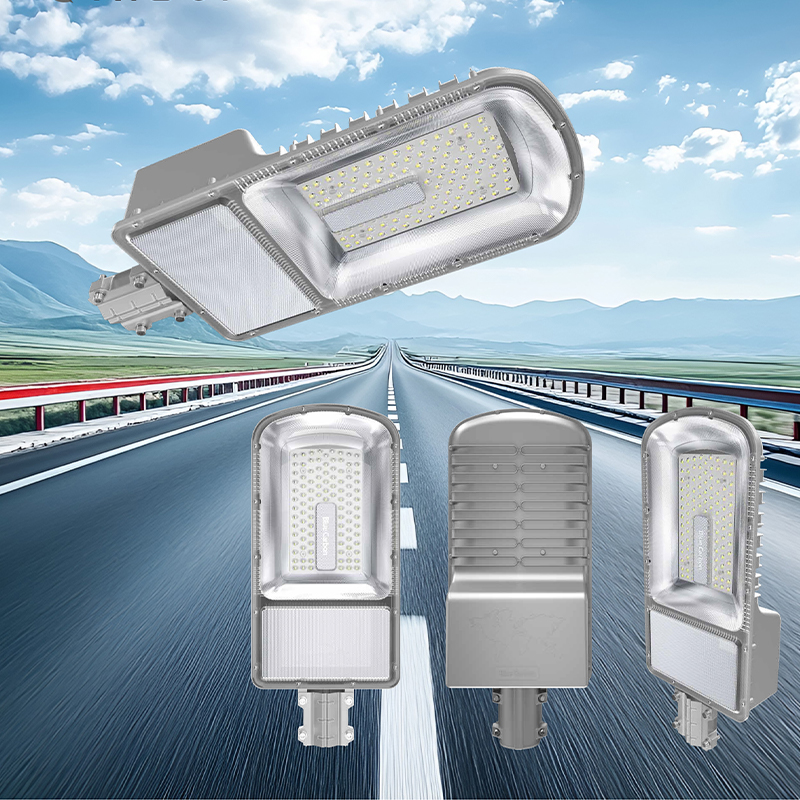
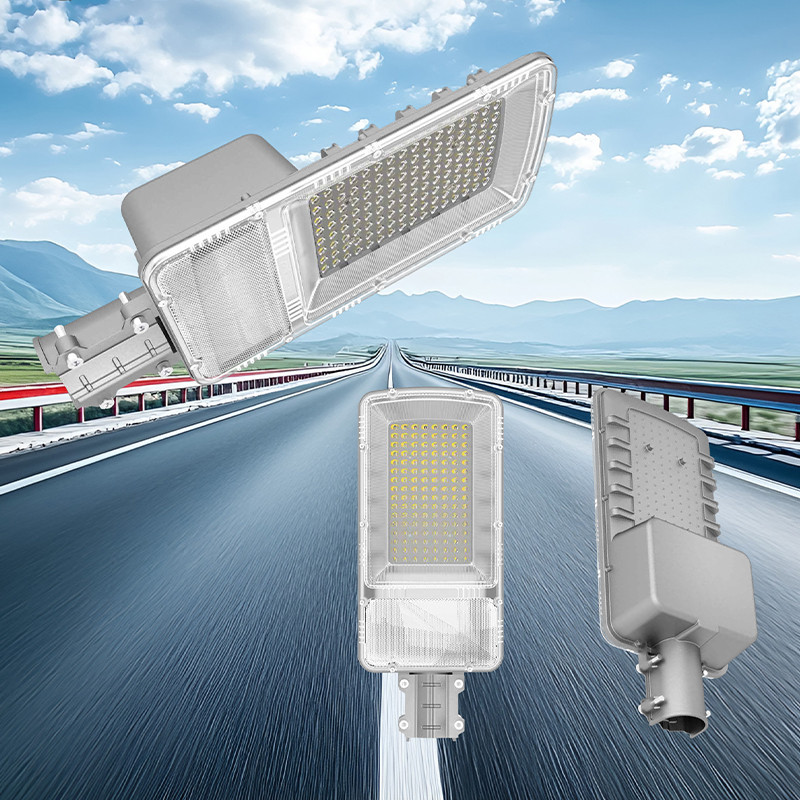








How Long Will a Solar Street Light Last? The Direct Answer A well-built solar street light typically delivers 8 to 10 years of reliable overall service, though individual components age at very different rates. The LED fixture itself is usually rated for 50,000 to 100,000 hours of operation, which ...
READ MORE
Outdoor Lighting Products Supplier
About Us
Jiangsu RISUN Traffic Technology Co., Ltd.
RISUN Group is a professional
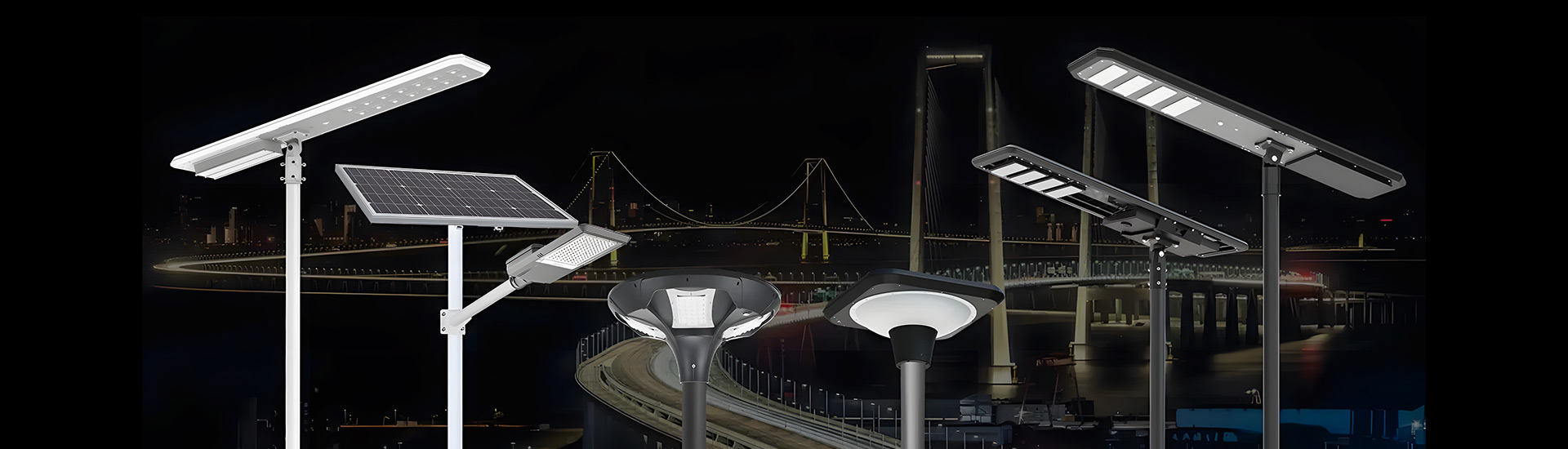
Outdoor Lighting Products Supplier with deep industry experience, specializing in outdoor lighting. We offer a full range of lighting solutions, including solar streetlights, mains-powered LED streetlights, and high-mast lighting systems, for municipal and infrastructure applications. Our company boasts a large number of professional engineers specializing in the design, installation, and maintenance of outdoor lighting, traffic signals, and electronic police systems, providing comprehensive pre-sales, sales, and after-sales services. We also possess advanced hot-melt and rumble strip marking equipment and experienced traffic marking installation personnel, focusing on providing comprehensive traffic marking installation services.
Certificate Of Honor
Blog
-
-
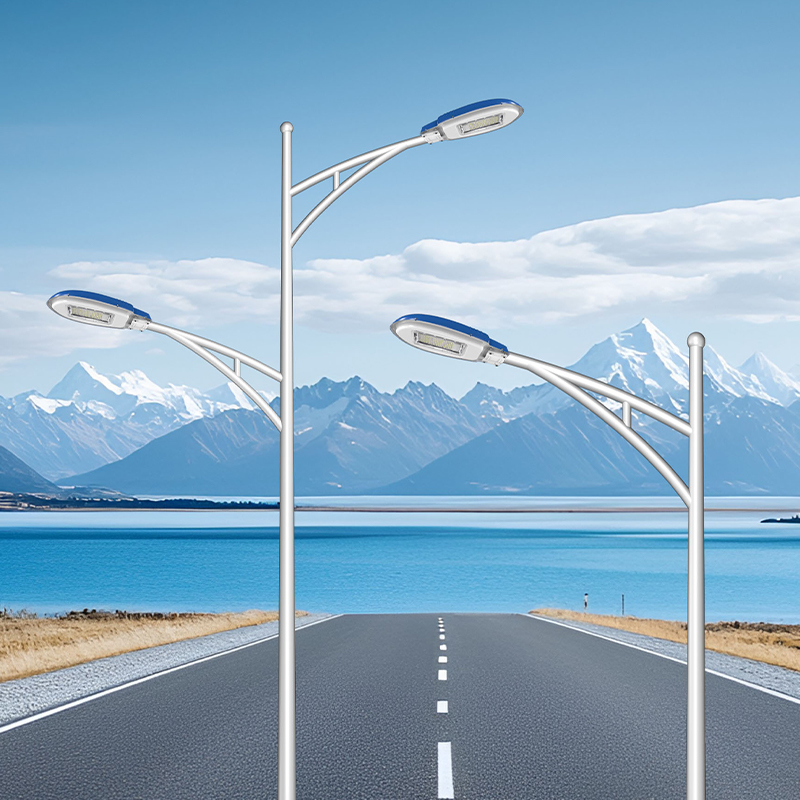
The Direct Answer: Street Light Poles Fall Into a Few Core Categories A street light pole is generally classified by three things, the material it is made from, the height it is manufactured at, and the way the fixture mounts onto it. Most municipal and commercial projects choose between steel, alu...
READ MORE -
The Direct Answer: LED Street Lights Cut Costs and Improve Visibility Cities switched to LED street lights mainly because LED fixtures use far less electricity than older sodium or mercury vapor lamps, last many times longer, and produce whiter, clearer light that helps drivers and pedestrians see ...
READ MORE
Message Feedback
Products Industry knowledge
Why Solar LED Street Lights Are Reshaping Municipal Lighting
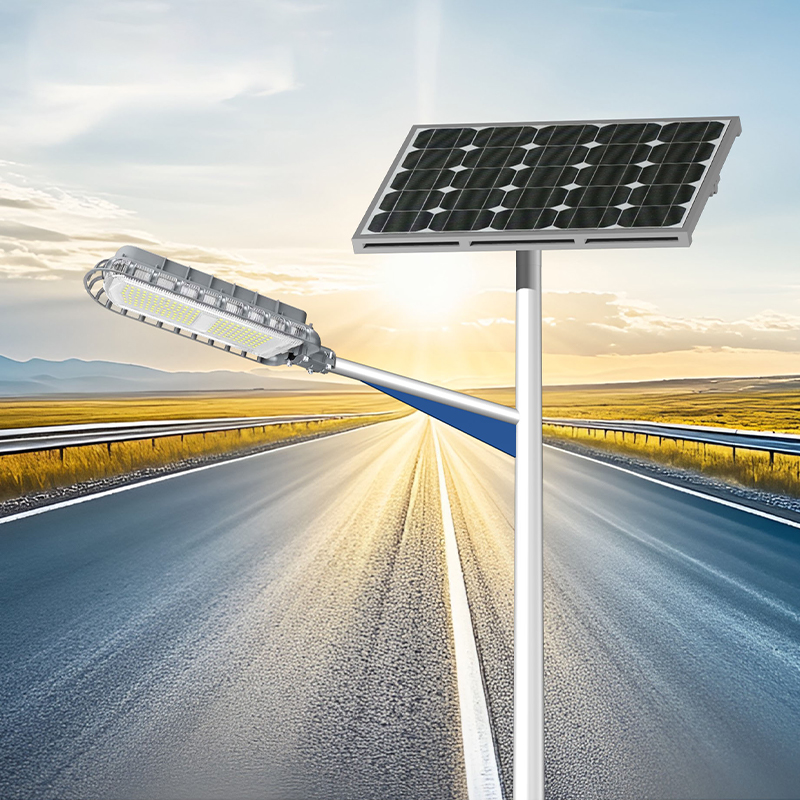
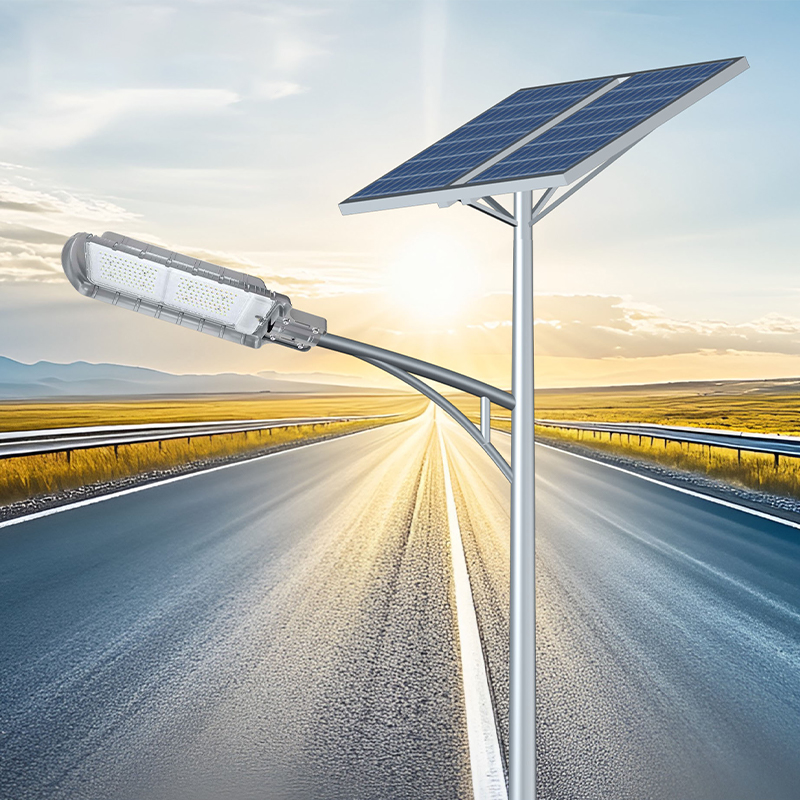
As cities and infrastructure projects search for lower operating costs, Solar LED Street Lights have become one of the fastest-growing categories among Outdoor Lighting Products. Unlike grid-powered fixtures, a solar street light draws its energy from a photovoltaic panel during the day and stores it in a battery for nighttime illumination, eliminating trenching, cabling, and electricity bills entirely.
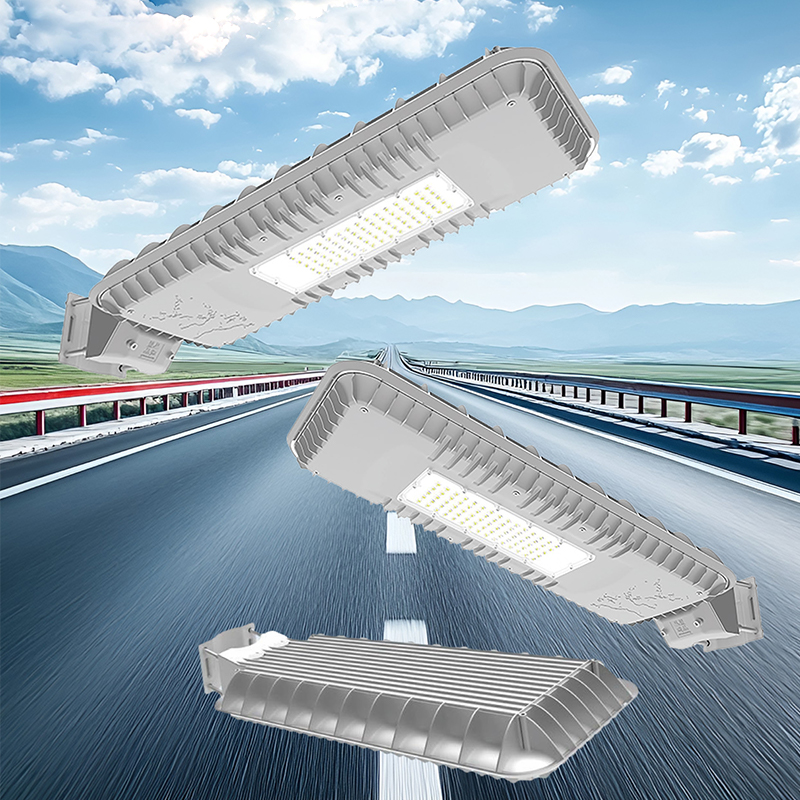
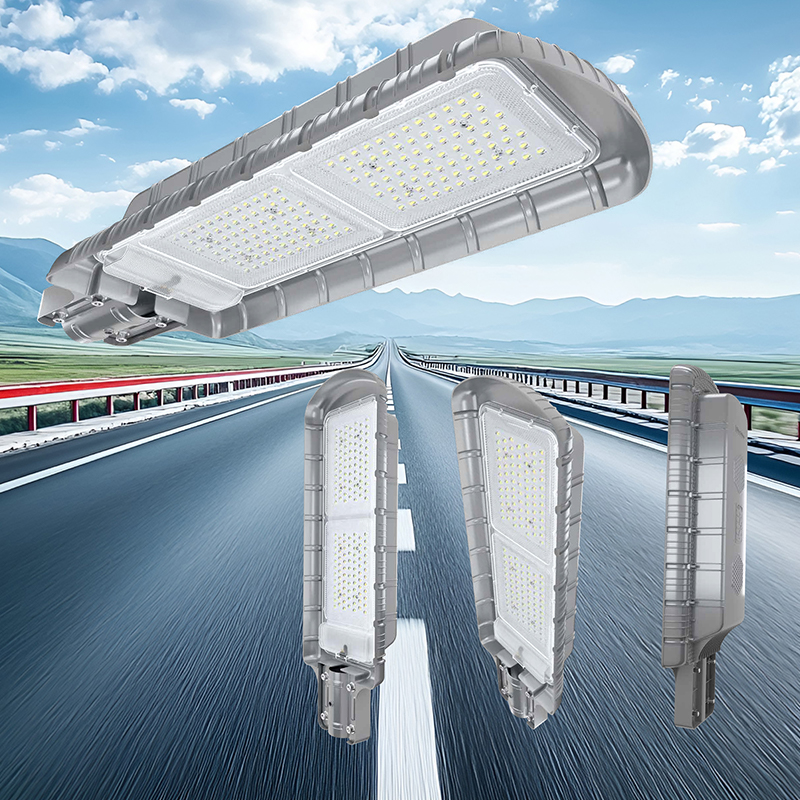
This independence from the power grid makes solar lighting especially valuable for rural roads, park pathways, parking lots, and border or coastal areas where grid extension is costly or impractical. A typical LED module used in these fixtures can deliver over 130 lumens per watt, allowing a 60W solar street light to replace a traditional 150W high-pressure sodium lamp while consuming a fraction of the stored energy.
Core Working Principle
The system operates on a simple energy cycle: the solar panel converts sunlight into DC electricity, a charge controller regulates the flow into a lithium or lead-acid battery, and a light sensor triggers the LED driver to switch the fixture on at dusk. Motion sensors and dimming controllers are increasingly built into the controller to extend runtime during cloudy periods, often maintaining 3 to 5 consecutive rainy days of backup illumination.
All-In-One Solar Lights: Integrated Design for Faster Installation
All-In-One Solar Lights combine the solar panel, battery, LED module, and controller into a single compact housing mounted on top of the pole. This integration removes the separate wiring between the panel and the battery box, which is typically required in split-type solar street lights.
- Installation time is reduced since only the pole and foundation need to be fixed on site
- Fewer exposed cables lower the risk of theft and weather-related damage
- Compact form factor suits residential streets, bike lanes, and campus walkways
- Sealed IP65-or-higher enclosures resist dust and moisture in coastal or tropical climates
Choosing Between Integrated and Split Systems
Split-type systems, where the panel is mounted separately from the light head, remain preferable for very high-power applications above 100W, since larger panels and batteries are easier to size and service independently. For most standard road and pathway projects, however, All-In-One Solar Lights provide the best balance of cost, aesthetics, and maintenance simplicity.
Selecting the Right Street Light Poles
Street Light Poles are the structural backbone of any outdoor lighting project, and pole height, material, and wind-load rating directly affect both light distribution and long-term safety. Hot-dip galvanized steel poles remain the industry standard because they resist corrosion for decades with minimal maintenance.
| Application | Recommended Pole Height | Typical Spacing |
|---|---|---|
| Residential streets | 4–6 meters | 15–20 meters |
| Urban main roads | 8–10 meters | 25–35 meters |
| Highways | 10–12 meters | 35–45 meters |
Poles are generally rated to withstand wind speeds of up to 150 km/h in accordance with regional structural design codes, and foundation design should always account for local soil conditions before installation.
Traffic Lights and Intersection Safety Systems
Traffic Lights extend beyond simple road illumination into active traffic management, coordinating vehicle and pedestrian flow at intersections. Modern LED traffic signal heads consume roughly 10 watts per aspect, compared to over 60 watts for older incandescent signal lamps, while lasting more than 100,000 hours before requiring replacement.
Solar-powered traffic light systems are increasingly deployed at temporary construction zones, rural crossroads, and locations where grid connection is delayed, pairing a compact solar panel and battery bank with the same charge-control logic used in solar street lighting. Integrated countdown timers and pedestrian signal heads further improve intersection safety without additional trenching work.
Coordinated Outdoor Lighting Planning
A well-planned road project typically layers all four elements together: solar or mains-powered LED street lights along the corridor, sturdy street light poles matched to wind and load conditions, all-in-one solar fixtures at secondary access points, and traffic lights at controlled intersections. Coordinating these Outdoor Lighting Products under a single design plan helps ensure consistent brightness levels and simplifies long-term maintenance scheduling.
Frequently Asked Questions
Q1: How long do solar LED street lights operate on a single full charge?
Most systems are designed to provide 10–12 hours of nightly illumination and include a reserve of 3–5 rainy days, depending on battery capacity and panel size.
Q2: Are all-in-one solar lights suitable for high-traffic roads?
They work best for low-to-medium power needs such as residential streets and pathways; for high-traffic roads requiring higher wattage, split-type solar systems or mains-powered LED fixtures are often more practical.
Q3: What maintenance do street light poles typically require?
Galvanized steel poles need only periodic visual inspection for corrosion or structural damage, with recoating rarely needed for 15–20 years under normal conditions.
Q4: Can traffic lights run on solar power permanently, not just temporarily?
Yes, permanent solar traffic signal installations are common at low-to-medium traffic intersections, particularly where grid access is limited or unreliable.

Let’s starting a project with
RISUN GROUP
We’d love to hear from you.
RISUN Group is a large-scale specialized transportation safety facility and outdoor lighting production
enterprise that integrates design, production, construction, and technical services.
Quick Links
Product List
Contact Info.
-

+86-180 2173 1222
+86-(0)514-8421 9989
-

-

Fuling Road, Lingtang Hui Township, Gaoyou City, Jiangsu Province, China
QR Code
Copyright © Jiangsu RISUN Traffic Technology Co., Ltd. Outdoor Lighting Products Supplier Solar LED Street Lights Factory All Rights Reserved.

