
 en
en
 English
 中文简体
中文简体 русский
 Français
 Español
 عربى
عربى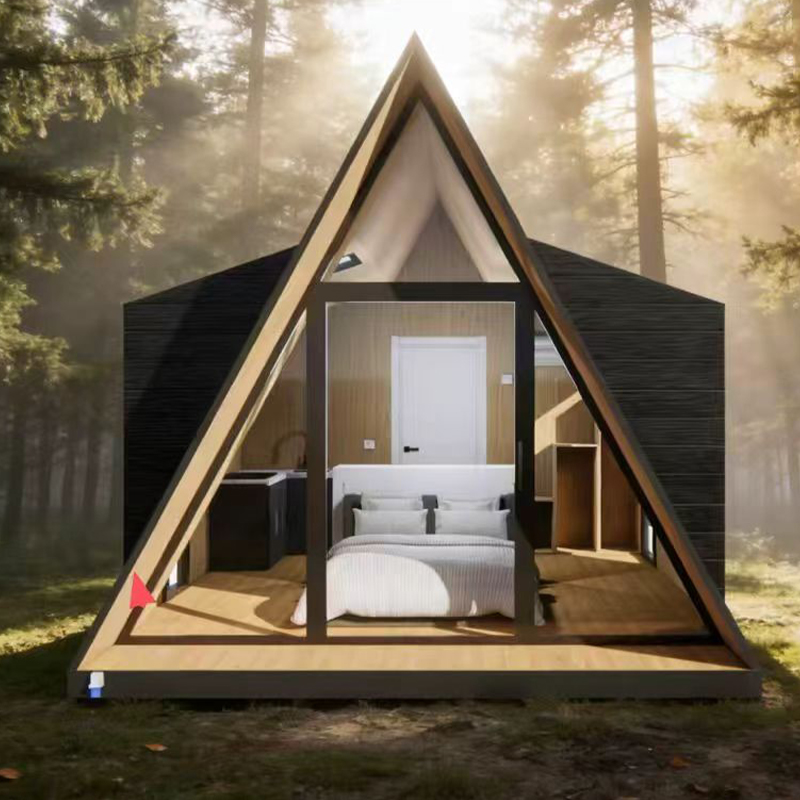
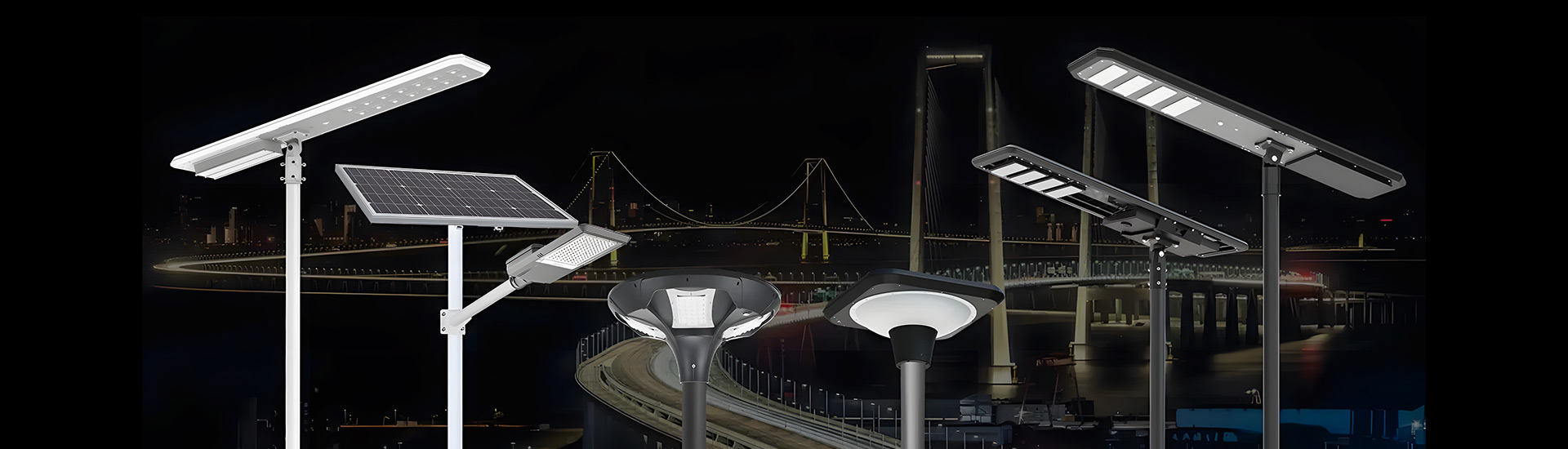
How Long Will a Solar Street Light Last? The Direct Answer A well-built solar street light typically delivers 8 to 10 years of reliable overall service, though individual components age at very different rates. The LED fixture itself is usually rated for 50,000 to 100,000 hours of operation, which ...
READ MORE
Custom Modular Mobile Home Manufacturer
It is a prefabricated residential building pre-built in the factory, equipped with a permanent chassis, and transported to the installation site.
About Us
Jiangsu RISUN Traffic Technology Co., Ltd.
RISUN Group is a professional
Custom Modular Mobile Home Manufacturer with deep industry experience, specializing in outdoor lighting. We offer a full range of lighting solutions, including solar streetlights, mains-powered LED streetlights, and high-mast lighting systems, for municipal and infrastructure applications. Our company boasts a large number of professional engineers specializing in the design, installation, and maintenance of outdoor lighting, traffic signals, and electronic police systems, providing comprehensive pre-sales, sales, and after-sales services. We also possess advanced hot-melt and rumble strip marking equipment and experienced traffic marking installation personnel, focusing on providing comprehensive traffic marking installation services.
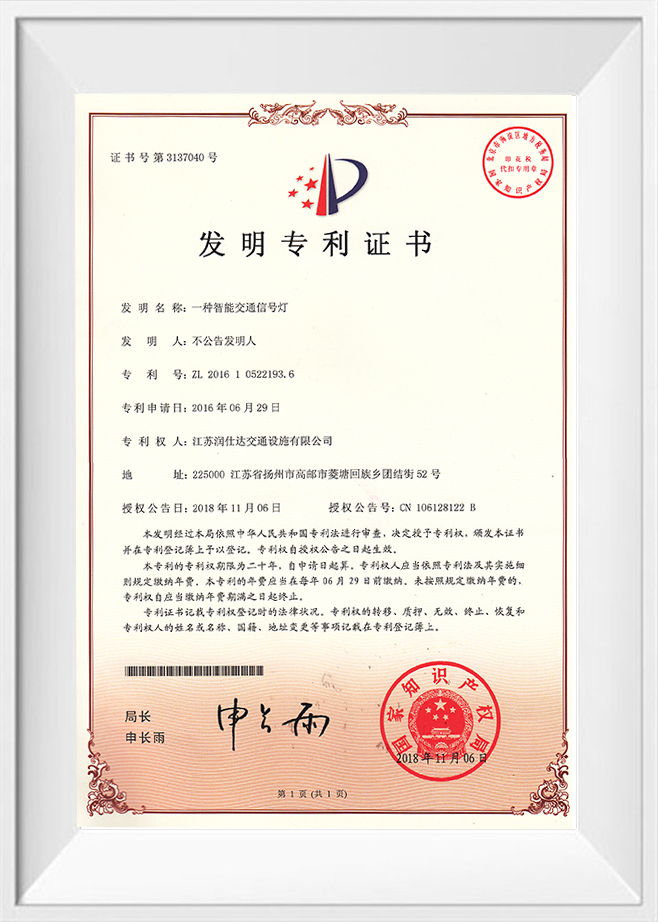
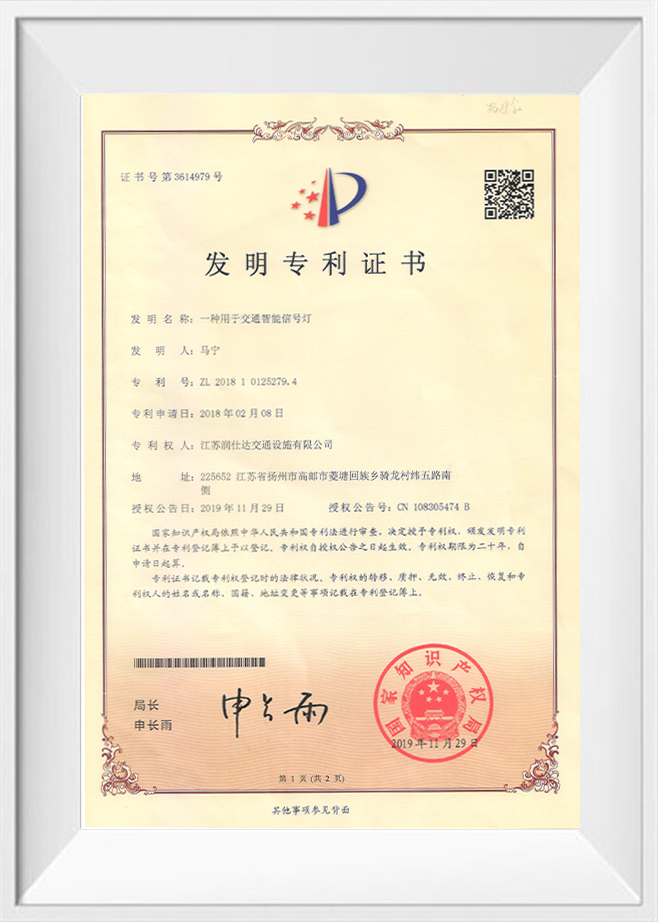
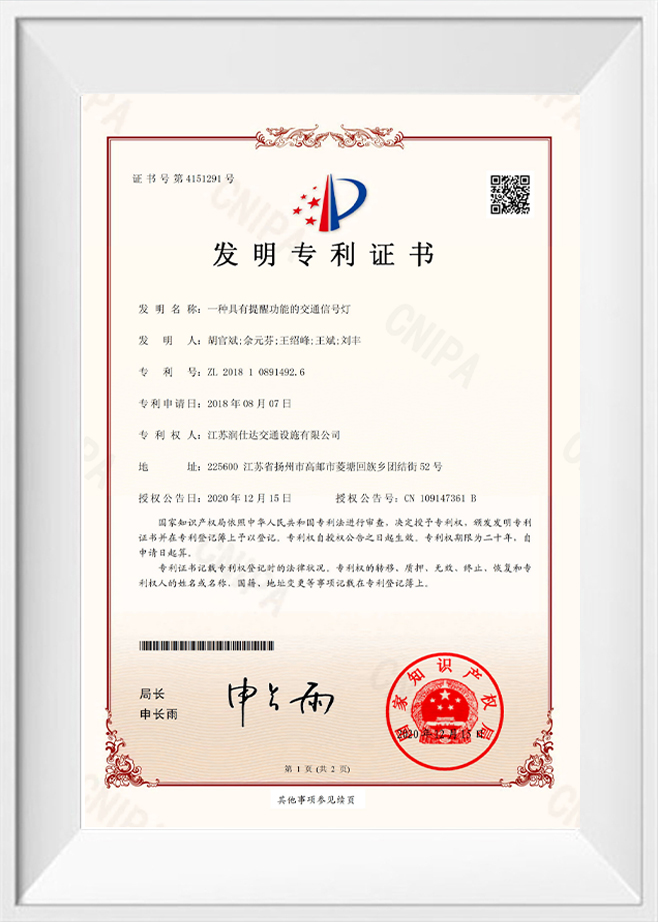
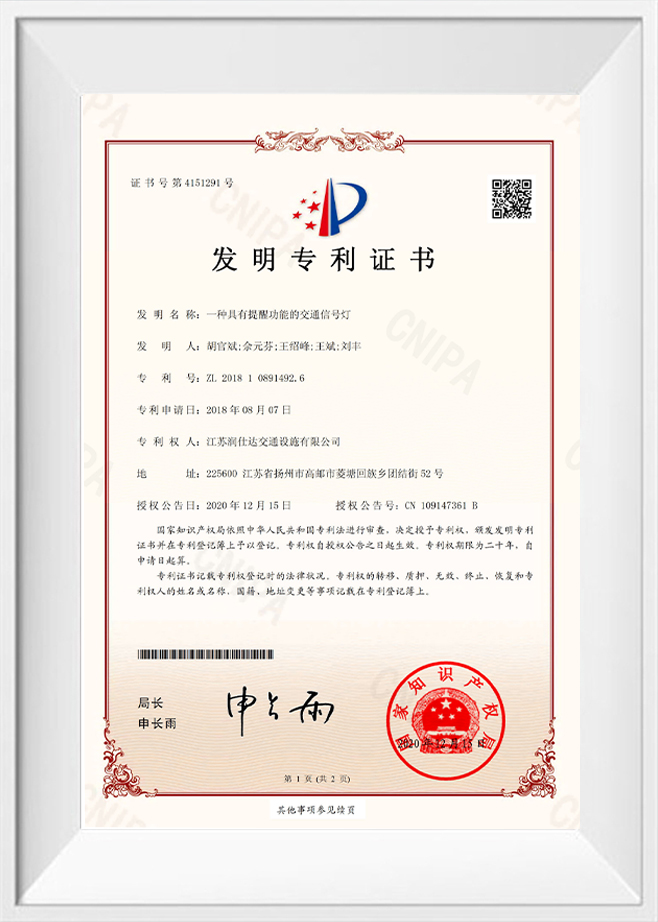
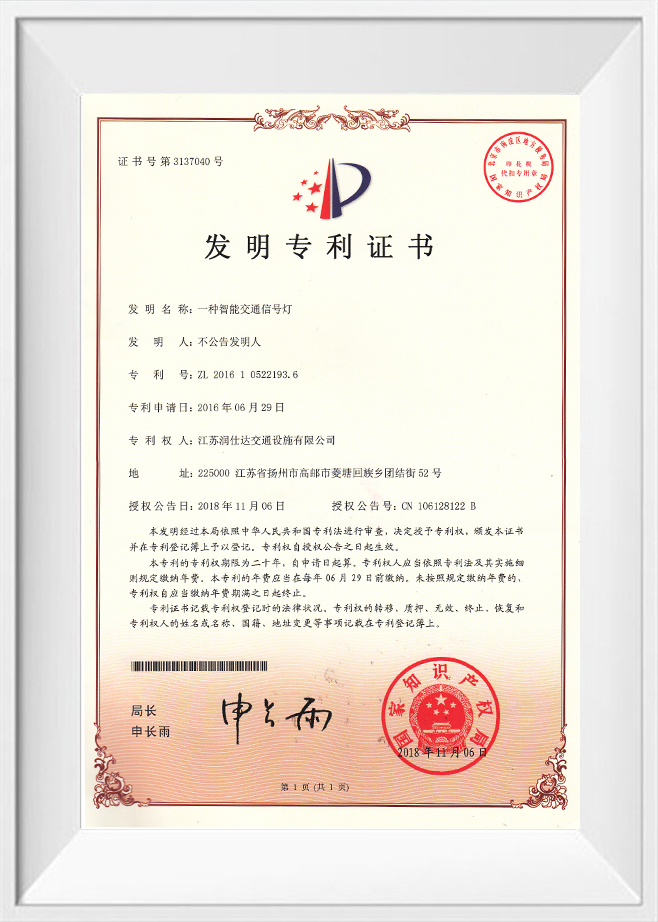
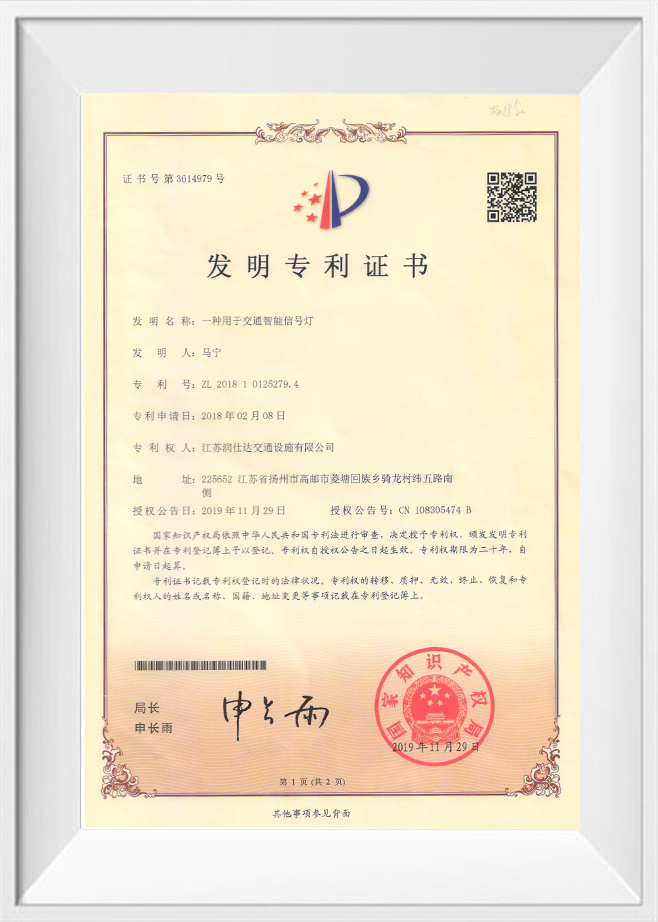
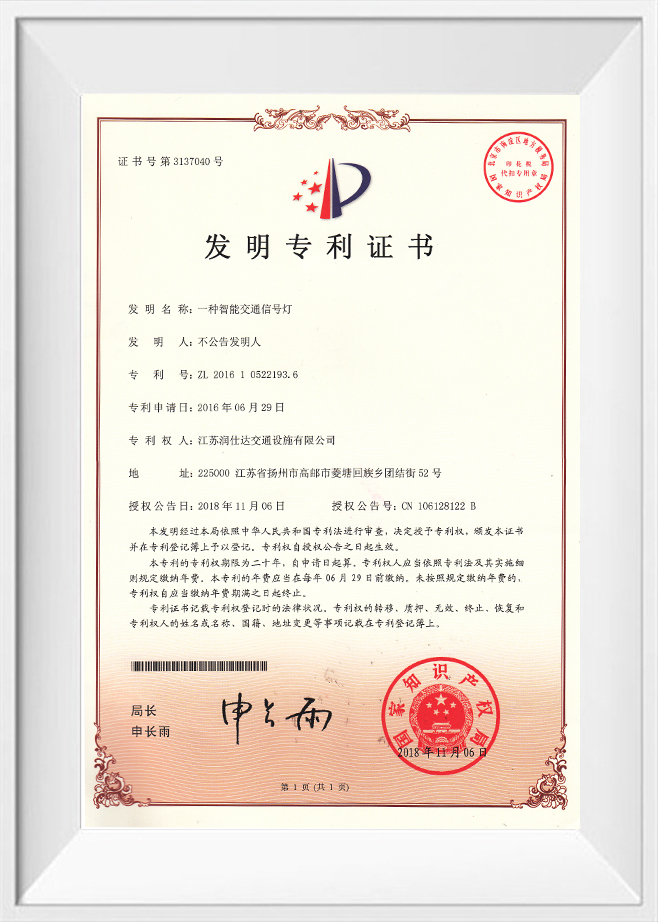
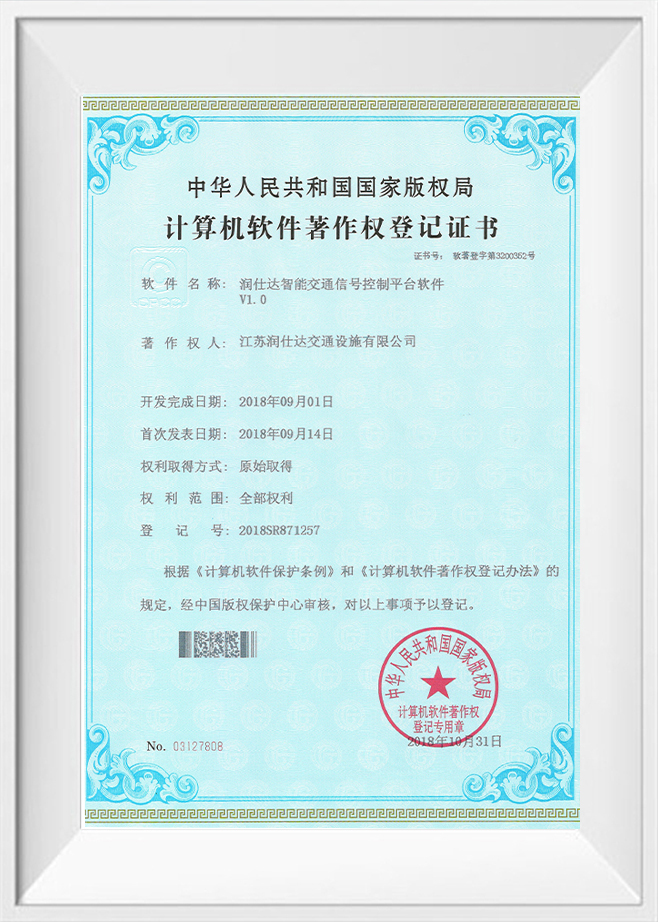
Certificate Of Honor
Related Products
Blog
-
-
The Direct Answer: Street Light Poles Fall Into a Few Core Categories A street light pole is generally classified by three things, the material it is made from, the height it is manufactured at, and the way the fixture mounts onto it. Most municipal and commercial projects choose between steel, alu...
READ MORE -
The Direct Answer: LED Street Lights Cut Costs and Improve Visibility Cities switched to LED street lights mainly because LED fixtures use far less electricity than older sodium or mercury vapor lamps, last many times longer, and produce whiter, clearer light that helps drivers and pedestrians see ...
READ MORE
Message Feedback
Mobile Home Industry knowledge
What Defines a Modern Mobile Home
A Mobile home is a factory-built structure engineered for transport and rapid on-site assembly, offering a faster and often more cost-effective alternative to traditional on-site construction. Unlike conventional brick-and-mortar building, which can take months to complete, a factory-fabricated unit is typically finished on a production line under controlled conditions, then transported and installed within days once it reaches the site.
Steel-framed construction has become the preferred structural approach for many mobile home designs because it offers a strength-to-weight ratio well suited to transport, along with resistance to warping, pest damage, and moisture absorption that timber-framed alternatives can be more vulnerable to over time. A well-built steel frame can support decades of use while remaining light enough for standard flatbed or container transport.
Common Use Cases
- Temporary or permanent worker housing near construction and infrastructure sites
- Emergency and disaster-relief shelter deployment
- Site offices and management units for large-scale project teams
- Standalone residential or vacation units in remote locations
Manufacturing Standards From a China Mobile Home Manufacturer
Working with an established China Mobile home manufacturer gives buyers access to large-scale steel fabrication capacity that smaller regional workshops typically cannot match. Jiangsu RISUN Traffic Technology Co., Ltd. operates a 100-acre production facility equipped with fully automatic steel plate bending equipment, automatic welding equipment, steel plate cutting equipment, CNC machining equipment, welding inspection equipment, and fully automatic spraying equipment, the same core capabilities required to produce consistent, structurally sound steel-framed housing units at scale.
Automated bending and welding processes reduce the dimensional variation that can occur with manual fabrication, helping ensure that wall panels, roof trusses, and floor frames align correctly during assembly, which shortens on-site installation time and reduces the likelihood of costly rework.
Evaluating China Mobile Home Suppliers
Not all China Mobile home suppliers offer the same level of quality control, so buyers should evaluate a few key production factors before placing an order. Steel gauge thickness, insulation material, and electrical wiring standards all influence how the unit performs across different climates and years of use.
| Factor | Why It Matters |
|---|---|
| Steel frame gauge | Affects structural strength and long-term durability |
| Insulation rating | Determines energy efficiency in extreme climates |
| Welding inspection process | Confirms joint integrity before shipment |
| Transport and installation support | Reduces delays and damage during delivery |
How a China Prefab Mobile Home Manufacturer Streamlines Production
A China prefab mobile home manufacturer builds each unit as a series of standardized components produced on a factory line, rather than fabricating a fully custom structure from scratch for every order. This approach allows for predictable delivery timelines and more consistent quality across large orders, since each unit follows the same tested production sequence.
Typical Production Sequence
- Steel frame cutting, bending, and welding to form the base chassis
- Wall panel and roof assembly with insulation and interior finishing
- Electrical and plumbing rough-in completed under factory conditions
- Final inspection, spraying or coating, and packaging for transport
Because most of the build happens indoors on a controlled line, weather delays common to traditional construction are largely eliminated, allowing project timelines to be estimated with greater accuracy.
Working With Modular Mobile Home Suppliers
Buyers pursuing larger projects often work with modular mobile home suppliers capable of combining multiple standardized units into larger layouts, such as multi-room housing blocks or expanded site office complexes. Modular design allows individual sections to be manufactured, transported, and connected on site, giving project planners flexibility to scale the total footprint up or down as requirements change.
This scalability is particularly valuable for infrastructure and municipal projects where housing needs may grow over time, since additional modules can typically be added to an existing installation without disrupting the units already in place.
Frequently Asked Questions
Q1: How long does it typically take to install a prefab mobile home once it arrives on site?
Most factory-built units can be leveled, connected to utilities, and made ready for occupancy within a few days, compared to months for traditional on-site construction.
Q2: Are steel-framed mobile homes suitable for long-term residential use?
Yes, a properly built steel frame with adequate insulation and coating can support decades of residential use while resisting pest damage and structural warping common to timber frames.
Q3: Can modular units be expanded after initial installation?
Yes, modular systems are generally designed so additional units can be added later, allowing a housing or office complex to grow in stages as needs change.
Q4: What should buyers verify before placing a bulk prefab housing order?
Buyers should request steel gauge specifications, insulation ratings, welding inspection documentation, and confirmed lead times before committing to a large-volume order.

Let’s starting a project with
RISUN GROUP
We’d love to hear from you.
RISUN Group is a large-scale specialized transportation safety facility and outdoor lighting production
enterprise that integrates design, production, construction, and technical services.
Quick Links
Product List
Contact Info.
-

+86-180 2173 1222
+86-(0)514-8421 9989
-

-

Fuling Road, Lingtang Hui Township, Gaoyou City, Jiangsu Province, China
QR Code
Copyright © Jiangsu RISUN Traffic Technology Co., Ltd. Custom Modular Mobile Home Manufacturer Prefab Mobile Home Supplier All Rights Reserved.

