
 en
en
 English
 中文简体
中文简体 русский
 Français
 Español
 عربى
عربى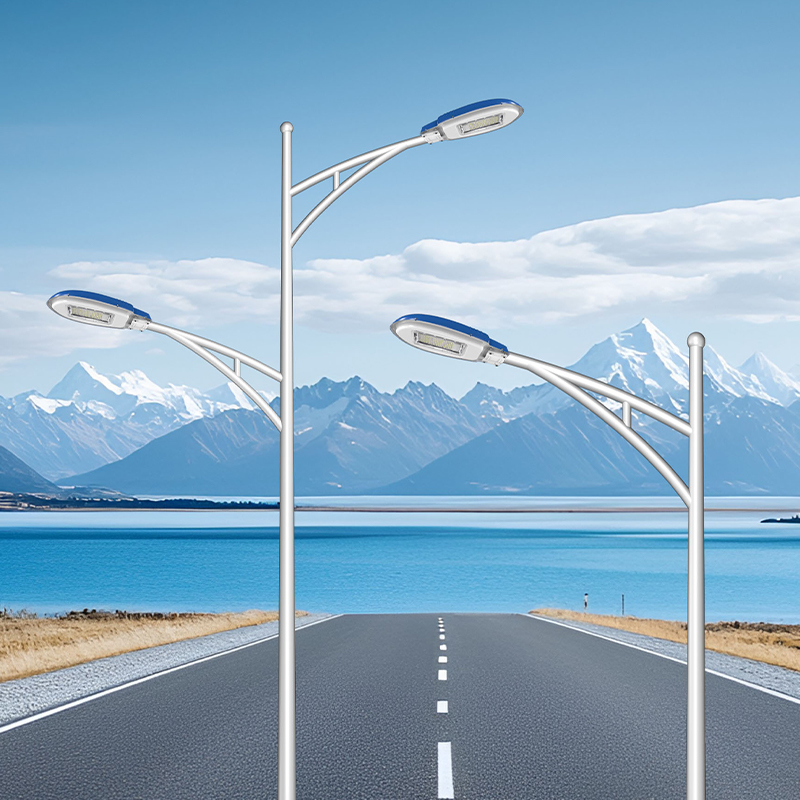


How Long Will a Solar Street Light Last? The Direct Answer A well-built solar street light typically delivers 8 to 10 years of reliable overall service, though individual components age at very different rates. The LED fixture itself is usually rated for 50,000 to 100,000 hours of operation, which ...
READ MORE
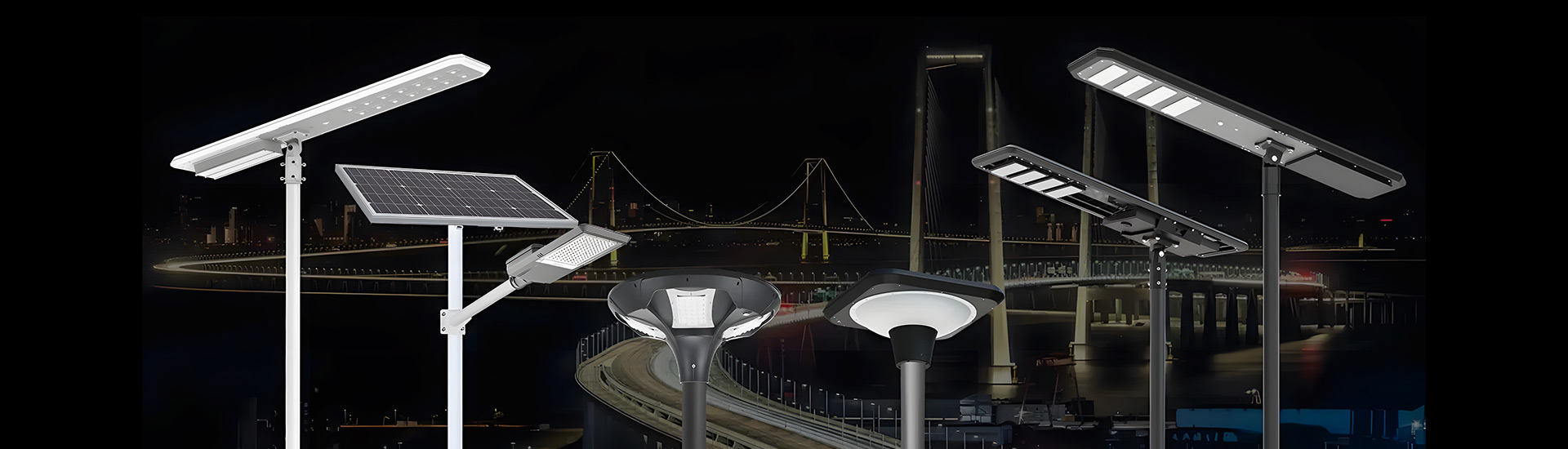
LED Street Light Manufacturer
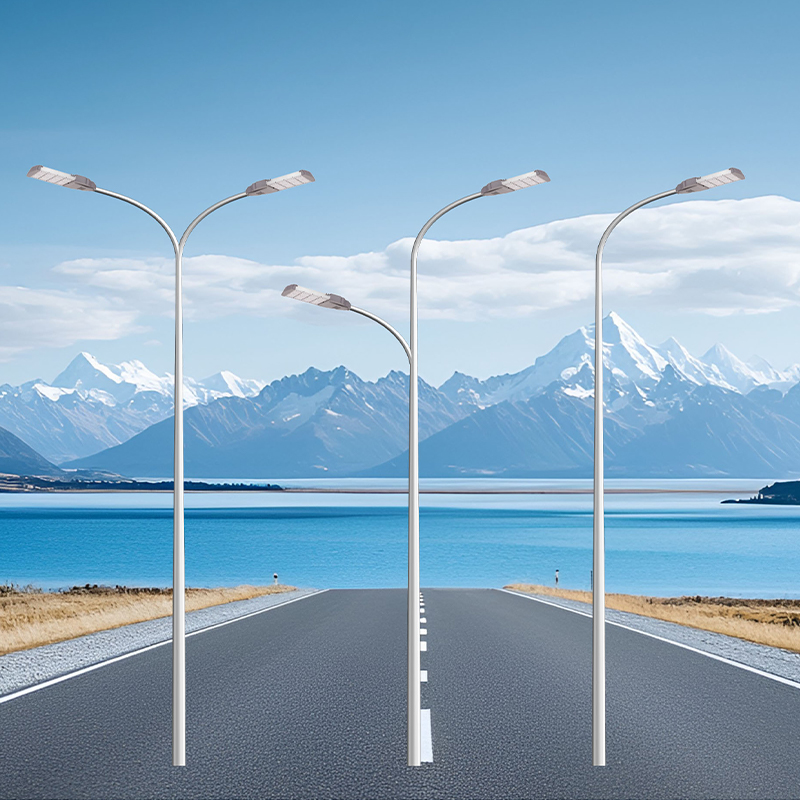
Mains-Powered Street Lights: Street lights that are directly connected to the municipal public power grid (i.e., the AC power we use daily) to obtain electricity for operation.
Applications: Urban expressways/main roads, secondary roads, branch roads, factories, schools, parks, various residential communities, courtyards, and other road lighting.
Advantages: Stable and reliable, efficient centralized intelligent control, and simple maintenance.
Modular Design: Each module is an independent heat sink, ensuring a lamp lifespan of over 50,000 hours.
High Performance Parameters: Utilizes imported high-efficiency chips with patented packaging, saving 60% energy compared to traditional street lights.
Patented Light Distribution Design: Uniform road surface illuminance without light spot phenomena;
High Color Rendering: Restores the original color of objects and beautifies the urban environment.
Eco-friendly & Healthy: LED contains no mercury, no UV, and no radiation, which is more conducive to environmental protection and human eye health.
Applicable Places: Urban expressways/main roads, secondary roads, branch roads, factories, schools, parks, various residential communities, courtyards, and other road lighting.
Why choose us?
RISUN Group is a professional manufacturer of mains-powered street lights, with a complete production line and a strict quality control system. As a source factory, we provide a stable supply to meet large-scale project needs. We provide you with more competitive prices and more precise customized services.
✦ Stable Power Supply, All-Weather Reliability
Relying on the municipal grid for power, it is unaffected by the weather. Whether it is rainy or during periods of continuous low sunlight, the street lights can turn on stably and on time. Compared to solar street lights, mains-powered lights are more suitable for urban main roads and key nodal areas with strict requirements for lighting continuity.
✦ Centralized Intelligent Control, Reducing O&M Costs
All fixtures can be connected to the urban street light centralized control system, supporting unified switching and dimming by time period or area. Management personnel can complete inspections and fault responses through the platform, improving efficiency several times over manual pole-by-pole inspections and reducing labor costs for operation and maintenance.
✦ Long Lifespan, Reduced Replacement Frequency
The design lifespan of the entire lamp is 50,000 hours. Calculating by 11 hours of work per day, the theoretical service life exceeds 12 years. The replacement frequency is low, and the comprehensive maintenance cost of a single lamp over its full life cycle is much lower than that of traditional light sources.
✦ Adapting to Diverse Installation Needs
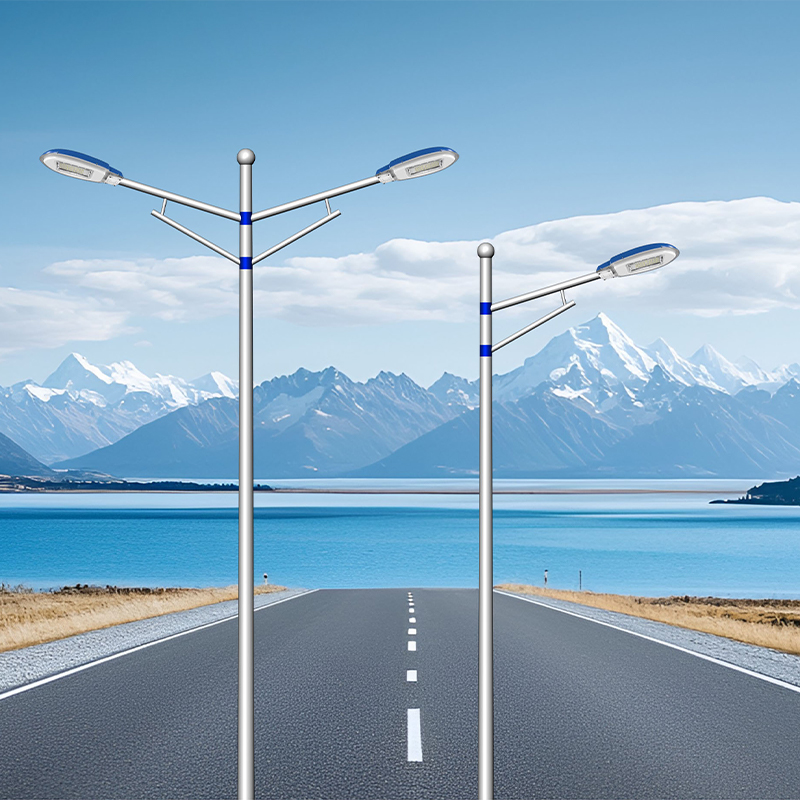
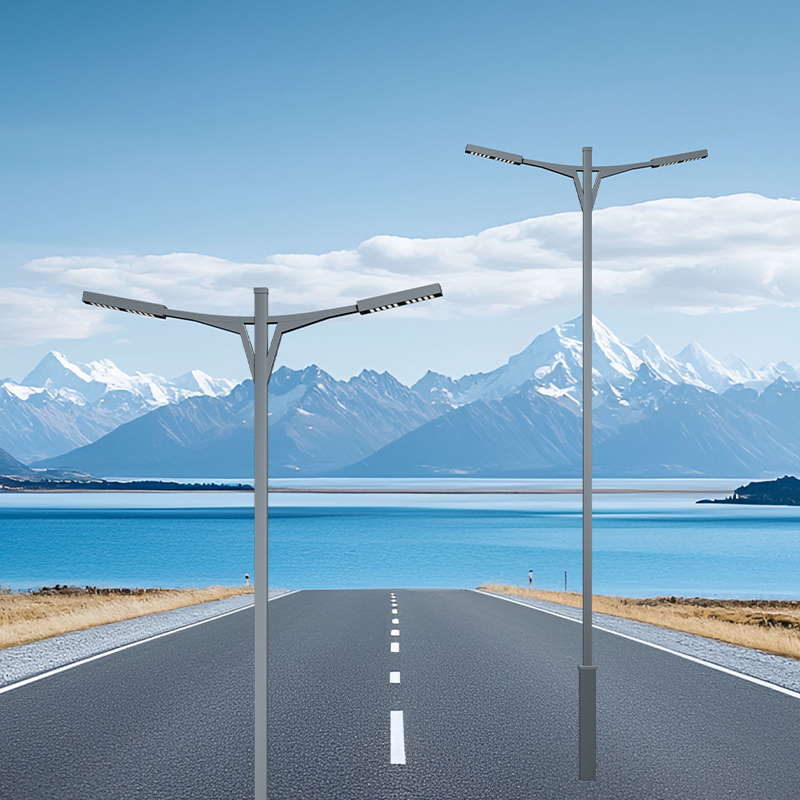
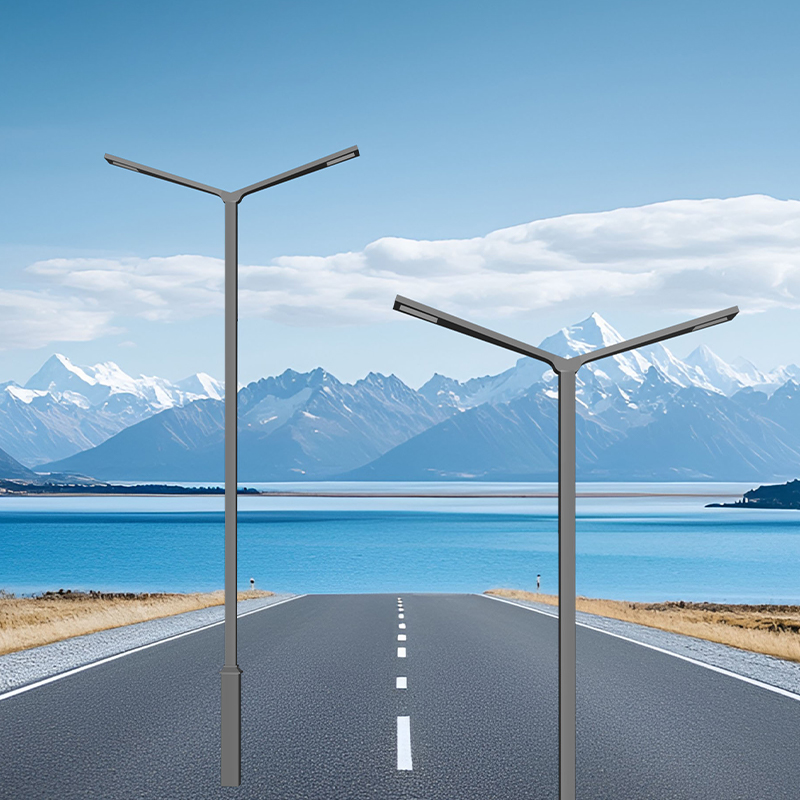
Light pole materials are selected from Q235A / Q235B / SS400 high-quality steel. The surface is treated with hot-dip galvanizing followed by electrostatic powder coating, providing excellent anti-corrosion performance. Various pole types, such as single-arm, double-arm, Y-shape, and curved, are available, which can be flexibly configured according to project landscape needs and road widths.
✦ Guaranteed Procurement and Delivery
The group has its own production lines and inventory; supports batch supply for large-scale EPC projects; and provides complete product test reports, CE certification documents, and warranty certificates to meet government procurement and bidding document requirements.
Frequently Asked Questions (FAQ)
Q1: Can LED street lights be connected to existing street light control systems?
A: Yes. RISUN LED street lights support standard 0–10V dimming interfaces and DALI protocols, and can be directly interfaced with mainstream street light centralized control platforms without replacing control cabinets, resulting in low renovation costs. For integration into smart city platforms, optional IoT communication modules are also available.
Q2: What is the actual difference between IP65 and IP66? Which one is needed?
A: IP65 protects against low-pressure water jets, while IP66 protects against high-pressure water jets. For ordinary urban roads, IP65 already meets the waterproof requirements for outdoor street lights. If the installation location is near automatic cleaning sprayers or in coastal areas with strong winds and heavy rain, IP66 is recommended. This series of products is all IP65, suitable for the vast majority of municipal road projects.
Q3: How to match light pole height with power?
A: Typically, an installation height of 8–10m corresponds to 60–100W, and 10–12m corresponds to 100–200W. The actual selection also needs to consider road width, pole spacing, and lighting standard requirements (such as the CJJ 45 standard for urban road lighting design). RISUN provides free illuminance simulation calculation services and can issue selection reports based on project parameters.
Q4: Can the lamp color and pole style be customized?
A: Yes. The lamp's shell color can be customized according to the RAL color card. Light poles are available in single-arm, double-arm, Y-shape, curved, and other shapes. Arm length and elevation angle can all be adjusted according to project needs. It is recommended to confirm specifications for custom orders 10–15 working days in advance.
Q5: How to get a quote for bulk procurement?
A: Please contact the RISUN business team and provide the project name, required models, quantity, and delivery cycle. We will provide a tax-inclusive quotation and technical parameter confirmation form within 1 working day.
About Us
Jiangsu RISUN Traffic Technology Co., Ltd.
RISUN Group is a professional
LED Street Light Manufacturer with deep industry experience, specializing in outdoor lighting. We offer a full range of lighting solutions, including solar streetlights, mains-powered LED streetlights, and high-mast lighting systems, for municipal and infrastructure applications. Our company boasts a large number of professional engineers specializing in the design, installation, and maintenance of outdoor lighting, traffic signals, and electronic police systems, providing comprehensive pre-sales, sales, and after-sales services. We also possess advanced hot-melt and rumble strip marking equipment and experienced traffic marking installation personnel, focusing on providing comprehensive traffic marking installation services.
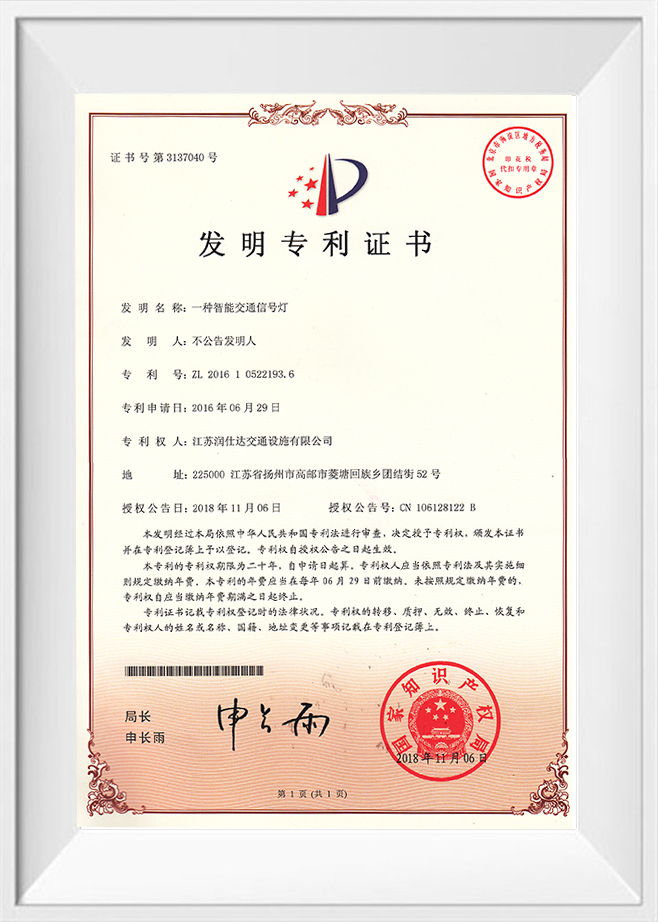
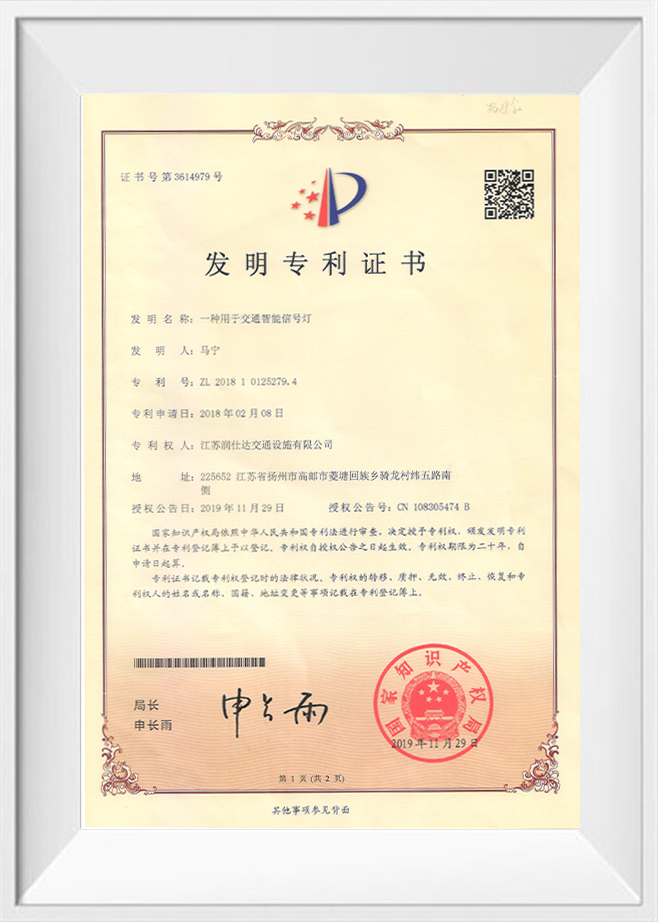
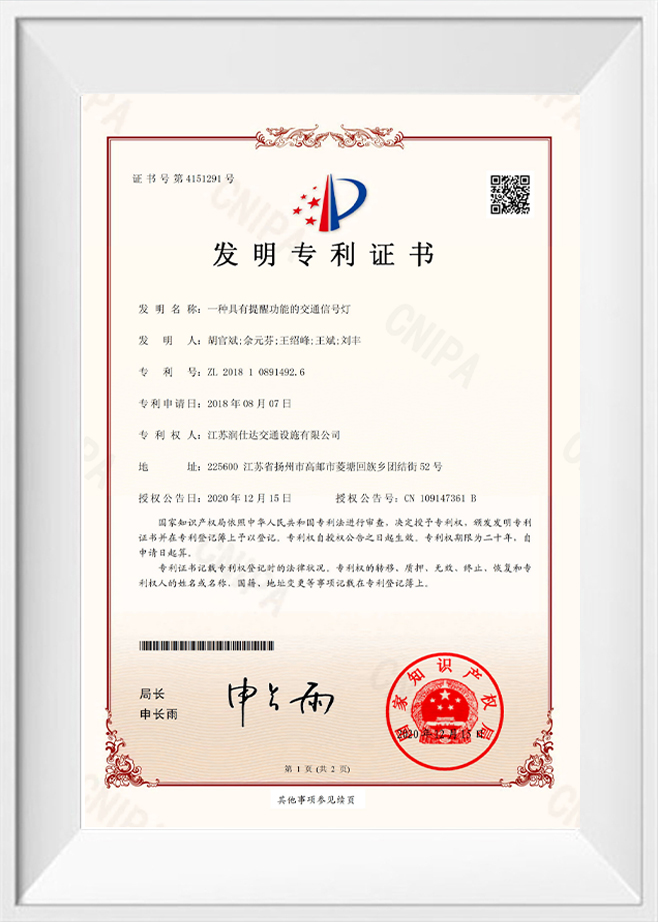
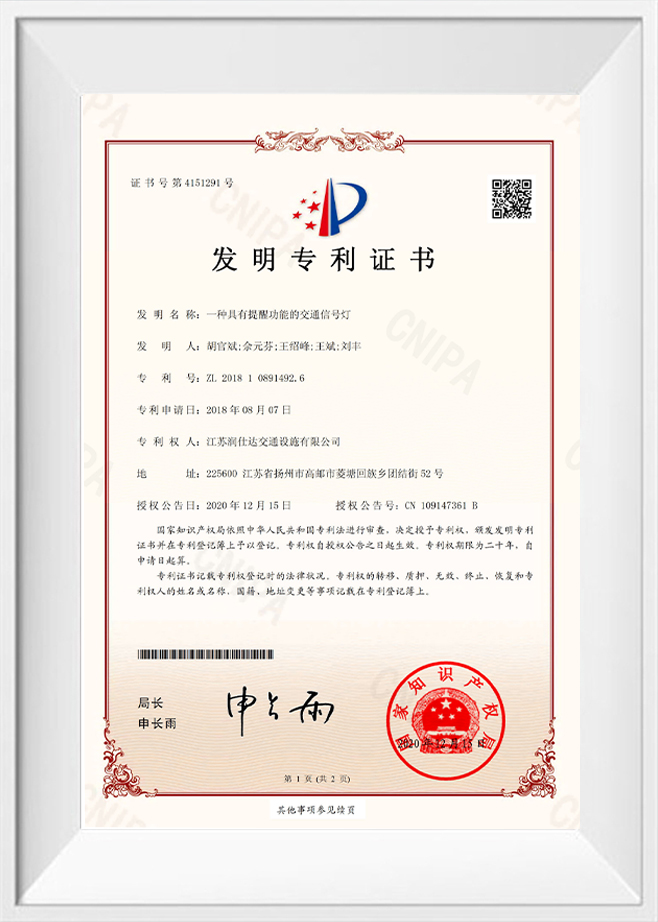
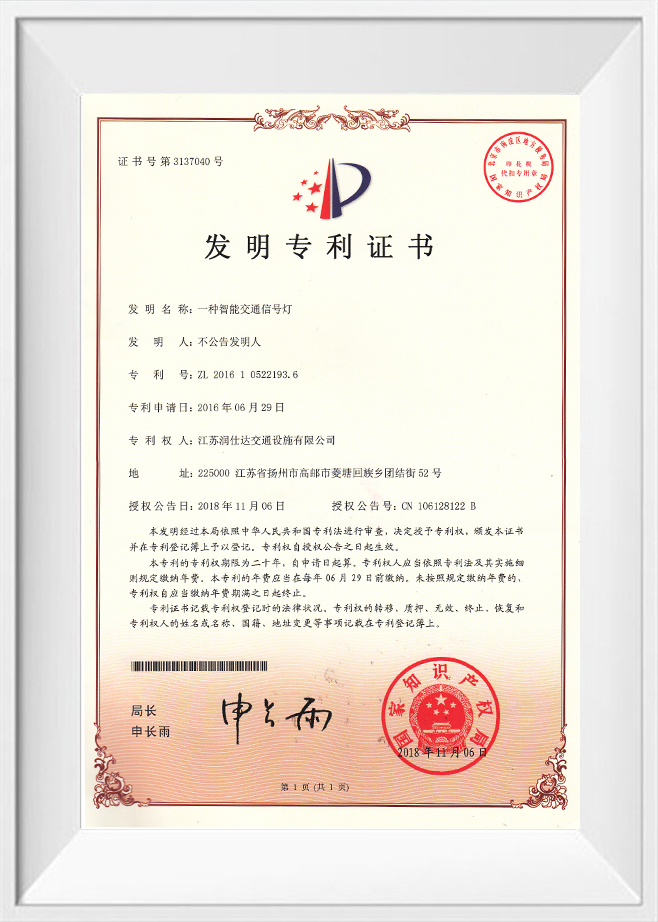
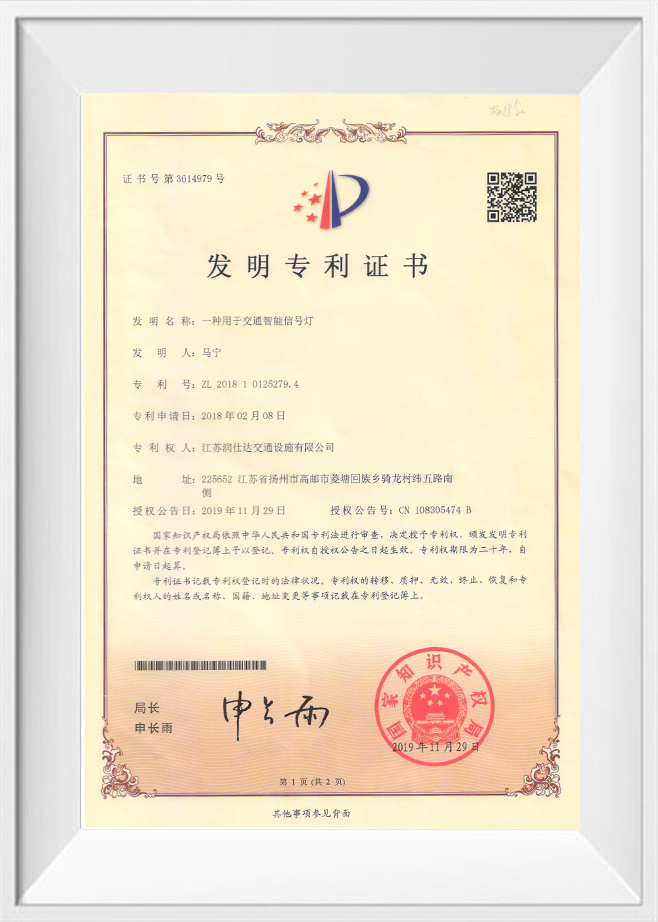
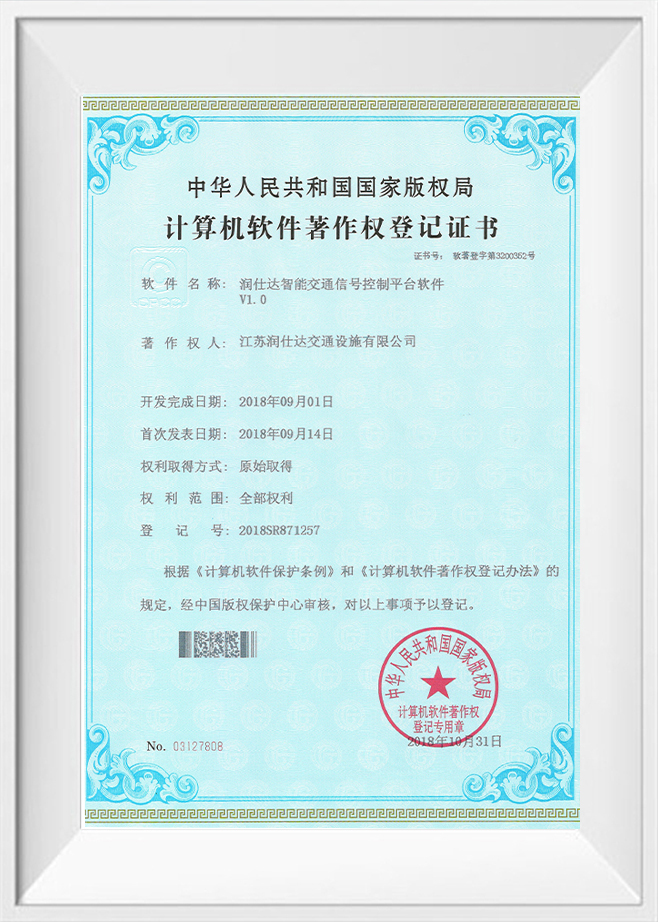
Certificate Of Honor
Blog
-
-
The Direct Answer: Street Light Poles Fall Into a Few Core Categories A street light pole is generally classified by three things, the material it is made from, the height it is manufactured at, and the way the fixture mounts onto it. Most municipal and commercial projects choose between steel, alu...
READ MORE -
The Direct Answer: LED Street Lights Cut Costs and Improve Visibility Cities switched to LED street lights mainly because LED fixtures use far less electricity than older sodium or mercury vapor lamps, last many times longer, and produce whiter, clearer light that helps drivers and pedestrians see ...
READ MORE
Message Feedback
LED Street Lights Industry knowledge
How LED Street Lights Improve Road Illumination
LED Street Lights have largely replaced high-pressure sodium and metal halide fixtures on municipal roads because of their combination of energy efficiency, color rendering, and long service life. A typical LED chip can produce over 130 lumens per watt, meaning a 100W LED fixture can match or exceed the brightness of a 250W traditional lamp while consuming less than half the electricity.
LED modules also deliver directional light, focusing illumination onto the road surface rather than scattering it in all directions. This reduces wasted light and glare, improving visibility for both drivers and pedestrians while lowering overall energy consumption for mains-powered lighting networks.
Working Principle
Each fixture combines a driver circuit, LED chip array, heat sink, and protective lens. The driver converts incoming AC voltage into a stable DC current suited to the LED chips, while the aluminum heat sink dissipates heat to prevent lumen depreciation. Well-engineered thermal management allows quality LED street lights to maintain over 70% of their initial brightness after 50,000 hours of operation.
Where Outdoor LED Street Light Fixtures Are Applied
An outdoor led street light is engineered to withstand continuous exposure to rain, dust, UV radiation, and temperature swings, making it suitable for a wide range of infrastructure projects beyond standard roads. Common applications include:
- Urban arterial roads and highway corridors requiring consistent, glare-controlled illumination
- Industrial parks and logistics yards needing wide-area coverage from mounted poles
- Residential streets and pedestrian pathways where uniform light distribution improves safety
- Bridges, tunnels, and coastal roads exposed to high humidity and salt spray
Because these fixtures often replace aging infrastructure, compatibility with existing pole mounting brackets and voltage standards is an important consideration during retrofit projects.
Sourcing From a China LED Street Light OEM Factory
Working with a China led street light OEM factory allows buyers to source fixtures built to their own specifications, branding, and technical requirements rather than adapting to a standard catalog. Jiangsu RISUN Traffic Technology Co., Ltd. supports OEM partnerships by offering flexibility across housing design, driver configuration, wattage, and color temperature to match project or brand requirements.
Effective OEM sourcing depends on the factory's in-house production capability. Facilities that control steel fabrication, welding, and electronic assembly under one roof can more easily accommodate custom housing shapes or mounting configurations without relying on multiple subcontractors, which shortens development cycles for new fixture designs.
Evaluating an Outdoor LED Street Light Factory
Not every outdoor led street light factory offers the same level of manufacturing control. RISUN Group operates a 100-acre production base equipped with automatic plate leveling, steel bending, CNC machining, welding inspection, and automatic spraying lines, alongside imported chip mounters and electronic testing equipment used for driver and circuit board assembly.
| Capability | Why It Matters |
|---|---|
| Automatic steel bending & welding | Ensures consistent housing dimensions and structural strength |
| In-house circuit board assembly | Reduces driver failure rates from third-party sourcing gaps |
| Automatic spraying equipment | Improves coating uniformity and corrosion resistance |
| Electronic testing equipment | Verifies driver output and lumen performance before shipment |
What Defines a Waterproof LED Street Lights Manufacturer
A qualified waterproof led street lights manufacturer designs fixtures to meet recognized ingress protection standards, since outdoor lighting is continuously exposed to rain, humidity, and dust. Fixtures rated IP65 or higher are sealed against dust ingress and low-pressure water jets, making them suitable for regions with heavy rainfall or coastal humidity.
Waterproofing Design Elements
- Sealed silicone gaskets between the housing and lens to block moisture entry
- Corrosion-resistant aluminum die-cast housings with protective coating layers
- Potted or conformal-coated driver circuits to protect against condensation
- Pressure-balanced vents that release internal heat without allowing water ingress
Buyers sourcing fixtures for coastal, tropical, or high-rainfall regions should request IP rating test documentation and, where possible, confirm the coating process used on the housing to ensure long-term corrosion resistance.
Frequently Asked Questions
Q1: What lifespan can be expected from a quality LED street light?
Most well-manufactured fixtures are rated for over 50,000 hours of operation, equivalent to roughly 15-20 years under typical nightly usage patterns.
Q2: What does OEM sourcing typically include?
OEM sourcing generally covers custom housing design, wattage and color temperature selection, and branded packaging, allowing buyers to sell fixtures under their own product line.
Q3: What IP rating is recommended for outdoor street lighting?
IP65 is generally considered the minimum standard for outdoor street lighting, while IP66 or higher is recommended for coastal or high-humidity environments.
Q4: How can buyers verify a factory's production capability before ordering?
Buyers can request factory audit reports, production line photos or video walkthroughs, and test certificates confirming lumen output and IP rating compliance prior to placing bulk orders.

Let’s starting a project with
RISUN GROUP
We’d love to hear from you.
RISUN Group is a large-scale specialized transportation safety facility and outdoor lighting production
enterprise that integrates design, production, construction, and technical services.
Quick Links
Product List
Contact Info.
-

+86-180 2173 1222
+86-(0)514-8421 9989
-

-

Fuling Road, Lingtang Hui Township, Gaoyou City, Jiangsu Province, China
QR Code
Copyright © Jiangsu RISUN Traffic Technology Co., Ltd. LED Street Light Manufacturer Outdoor LED Road Light Supplier All Rights Reserved.

